Lucy Moves to NBC
Contacted by Fred Silverman, the President of NBC, Lucille Ball accepts to go back to work as a producer. With the help of her faithful production assistant, Gale Gordon, she starts working on a new series titled "The Music Mart".
- Rated
- Unrated
- Released
- 1980
- Country
- United States
Details
Release year: 1980
Storyline
Contacted by Fred Silverman, the President of NBC, Lucille Ball accepts to go back to work as a producer. With the help of her faithful production assistant, Gale Gordon, she starts working on a new series titled "The Music Mart".
Top credits


 Lucille Ball — Self - now a producer for NBC
 Robert Alda — Mr. Luder
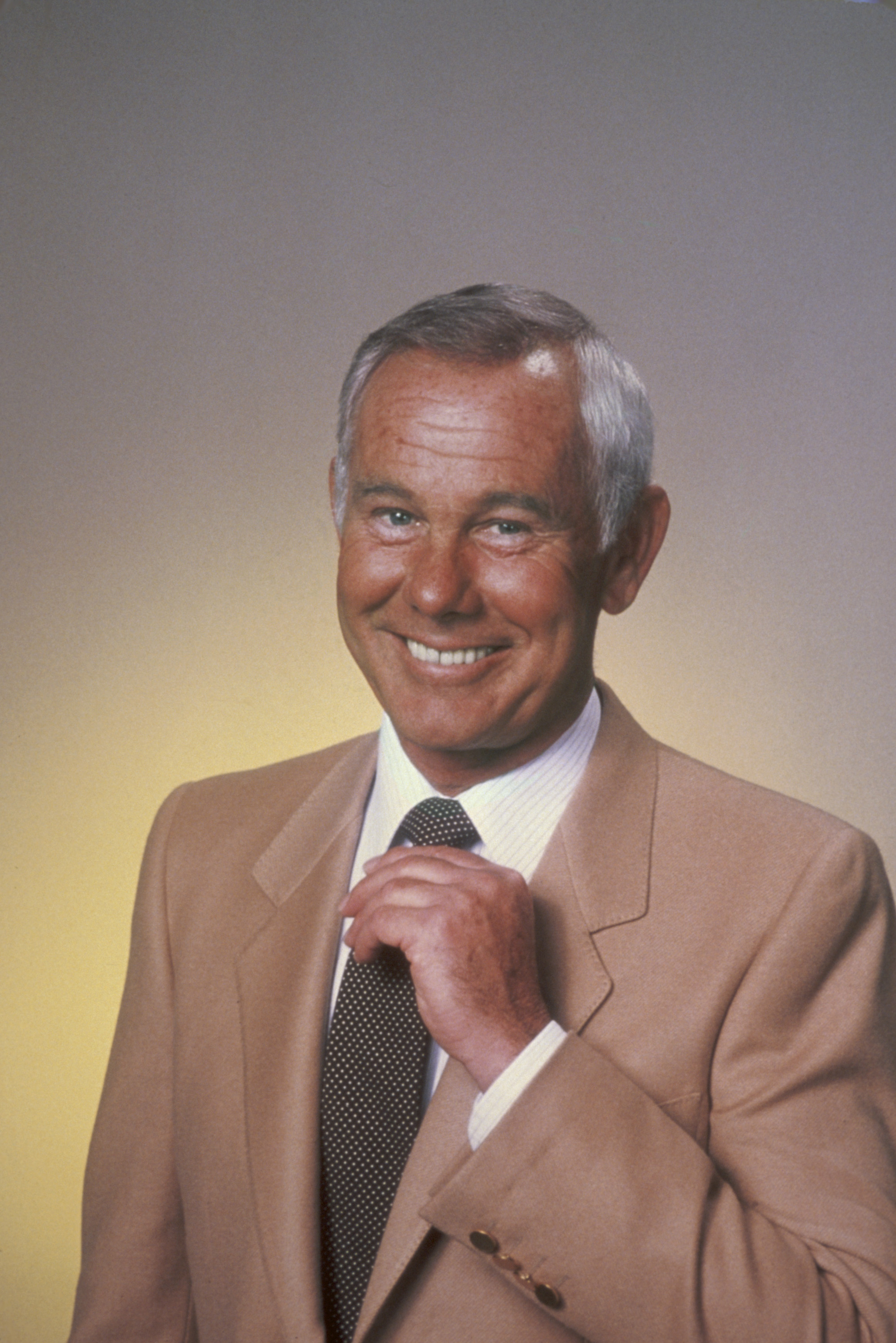 Johnny Carson — Self
 Gary Coleman — V.P. of Programming
Did you know
• Lucy's move to NBC didn't actually produce any hits for the network, but it did produce one real pilot (not "The Music Mart") in 1981 that was directed by Lucille Ball, "Bungle Abbey," a quirky sitcom about a monastery inhabited by out-of-the-ordinary monks. The pilot starred Charlie Callas, Guy Marks, Gino Conforti, Graham Jarvis, Peter Palmer, and Gale Gordon. Gino Conforti later said that the series would have never worked, and that it was a challenge to write enough material for the one pilot episode, but it was still fun to do. Although promising, Lucy's controversial move to NBC only resulted in this one special, the "Bungle Abbey" pilot, and several guest appearances on Bob Hope specials.
• Lucille Ball started her television career on CBS, where "I Love Lucy," "The Lucy Show" and "Here's Lucy" all aired. Her first five TV specials after the end of "Here's Lucy" in 1974 were also for CBS. Her final sitcom, "Life With Lucy" in 1986, was aired on ABC, meaning Lucille Ball appeared on all three major networks throughout her career.
• The special opens with a bus tour through Beverly Hills, passing the homes of Henry Fonda, Jimmy Stewart, and (of course) Lucille Ball. Ball orders the driver to stop at her mansion on Roxbury Drive, because she wants to get out. She says "It's my way of saving gas." In 1979, the U.S. experienced its second energy crisis, with the price of crude oil doubling, resulting in long lines at service stations. (In fact, the tour bus joke had been introduced by Jack Benny, who for many years was Lucille Ball's real-life next-door neighbor on Roxbury Drive. In a 1949 radio show, and later in a TV episode of The Jack Benny Program (1950), the notoriously-cheap Benny took a free Beverly Hills tour bus that went past his home, telling the driver, "This is where I get off, thanks.")
Technical specs
- Sound mix
- Mono
- Aspect ratio
- 1.33 : 1
- Color
- Color