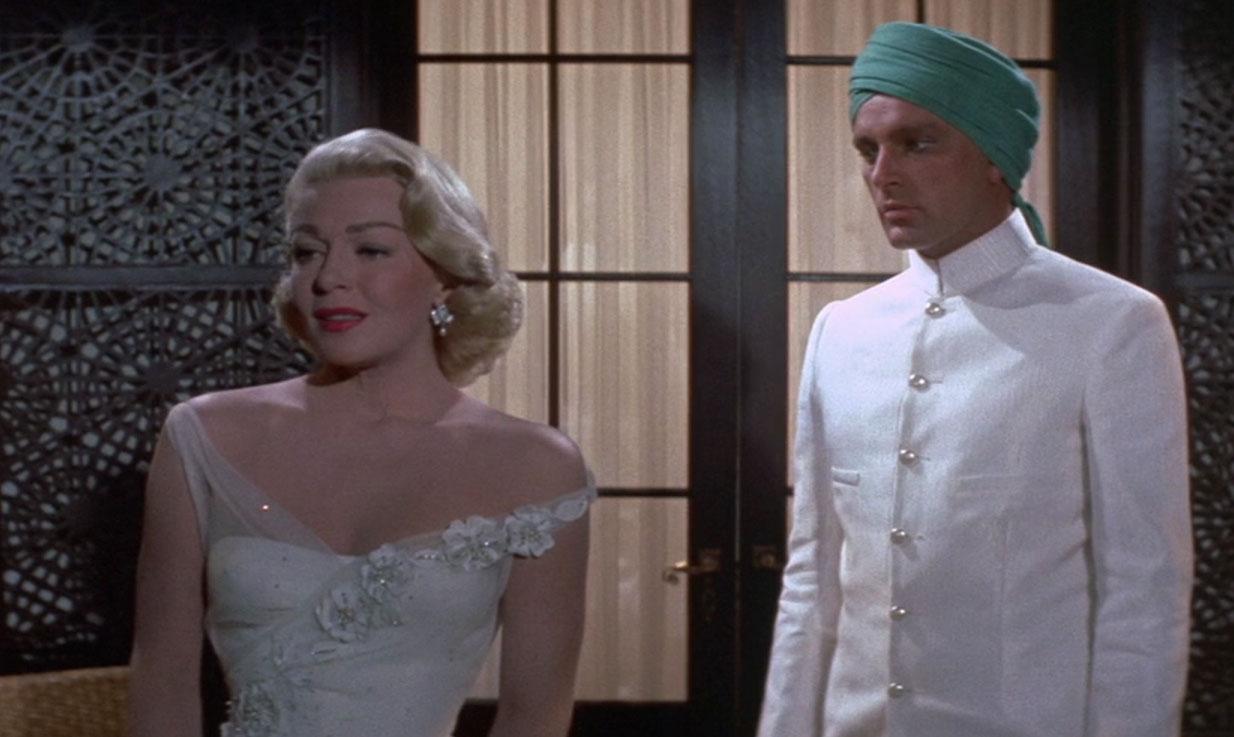
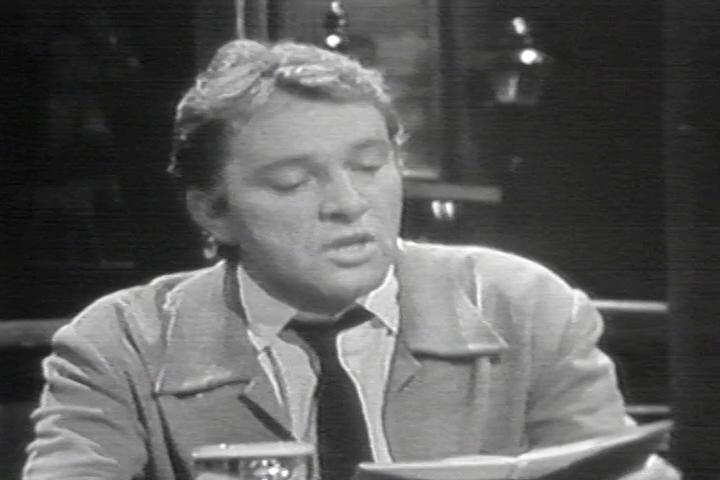
Probably best-remembered for his turbulent personal life with Elizabeth Taylor (whom he married twice), Richard Burton was nonetheless also regarded as an often brilliant British actor of the post-WWII period.
Burton was born Richard Walter Jenkins in 1925 into a Welsh (Cymraeg)-speaking family in Pontrhydyfen to Edith Maude (Thomas) and Richard Walter Jenkins, a coal miner. The twelfth of thirteen children, his mother died while he was a toddler and his father later abandoned the family, leaving him to be raised by an elder sister, Cecilia. An avid fan of Shakespeare, poetry and reading, he once said "home is where the books are". He received a scholarship to Oxford University to study acting and made his first stage appearance in 1944.
His first film appearances were in routine British movies such as
Woman of Dolwyn (1949),
Waterfront Women (1950) and
Green Grow the Rushes (1951). Then he started to appear in Hollywood movies such as
My Cousin Rachel (1952),
The Robe (1953) and
Alexander the Great (1956), added to this he was also spending considerable time in stage productions, both in the UK and USA, often to splendid reviews. The late 1950s was an exciting and inventive time in UK cinema, often referred to as the "British New Wave", and Burton was right in the thick of things, and showcased a sensational performance in
Look Back in Anger (1959). He also appeared with a cavalcade of international stars in the World War II magnum
opus
The Longest Day (1962), and then onto arguably his most "notorious" role as that of Marc Antony opposite
Elizabeth Taylor in
the hugely expensive
Cleopatra (1963). This was, of course, the film that kick-started their fiery and passionate romance (plus two marriages), and the two of them appeared in several productions over the next few years including
The V.I.P.s (1963),
The Sandpiper (1965), the dynamic
Who's Afraid of Virginia Woolf? (1966) and
The Taming of The Shrew (1967), as well as box office flops like
The Comedians (1967). Burton did better when he was off on his own giving higher caliber performances, such as those in
Becket (1964), the film adaptation of the
Tennessee Williams play
The Night of the Iguana (1964), the brilliant espionage thriller
The Spy Who Came in from the Cold (1965) and alongside
Clint Eastwood in the World War II action adventure film
Where Eagles Dare (1968).
His audience appeal began to decline somewhat by the end of the 1960s as fans turned to younger, more virile male stars, however Burton was superb in
Anne of the Thousand Days (1969) as King Henry VIII, he put on a reasonable show in the boring
Raid on Rommel (1971), was over the top in the awful
Villain (1971), gave sleepwalking performances in
Hammersmith Is Out (1972) and
Bluebeard (1972), and was wildly miscast in the ludicrous
The Assassination of Trotsky (1972).
By the early 1970s, quality male lead roles were definitely going to other stars, and Burton found himself appearing in some movies of dubious quality, just to pay the bills and support family, including
Divorce His - Divorce Hers (1973) (his last on-screen appearance with Taylor),
The Klansman (1974),
Brief Encounter (1974),
Jackpot (1974) (which was never completed) and
Exorcist II: The Heretic (1977). However, he won another Oscar nomination for his excellent performance as a concerned psychiatrist in
Equus (1977). He appeared with fellow acting icons
Richard Harris and
Roger Moore in
The Wild Geese (1978) about mercenaries in South Africa. While the film had a modest initial run, over the past thirty-five years it has picked up quite a cult following. His final performances were as the wily inquisitor "O'Brien" in the most recent film version of George Orwell's dystopian
1984 (1984), in which he won good reviews, and in the TV mini series
Ellis Island (1984). He passed away on August 5, 1984 in Celigny, Switzerland from a cerebral hemorrhage.

 Doctor Faustus(1967)
 Richard Burton's Christmas Story(1991)
 Ellis Island(1984)as Sen. Phipps Ogden
 1984(1984)as O'Brien
 Great Performances(1971)as White Knight
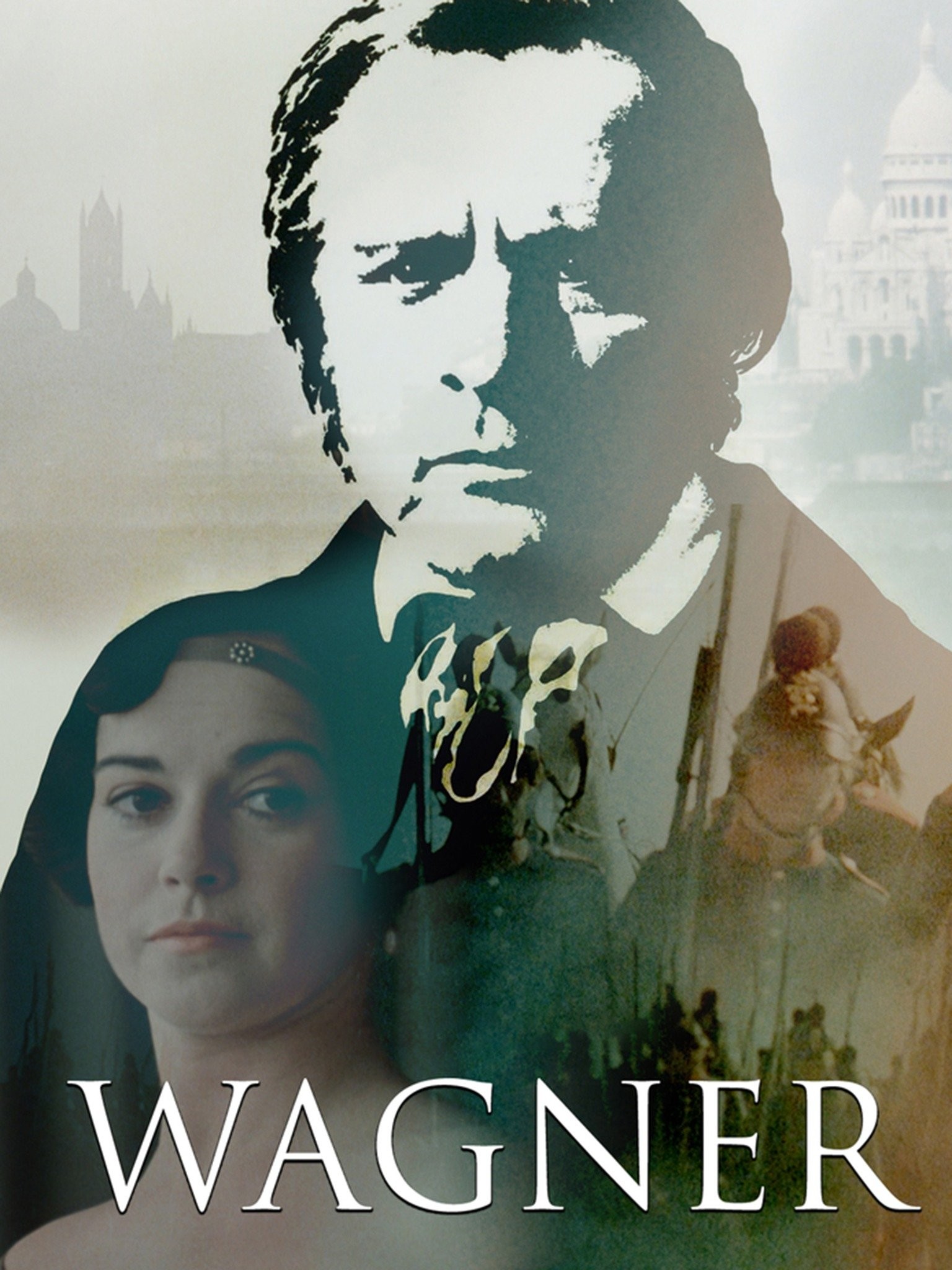 Wagner(1983)as Richard Wagner
 The Fall Guy(1981)as Richard Burton
 The Guest(1963)
 Cleopatra: The Film That Changed Hollywood(2001)
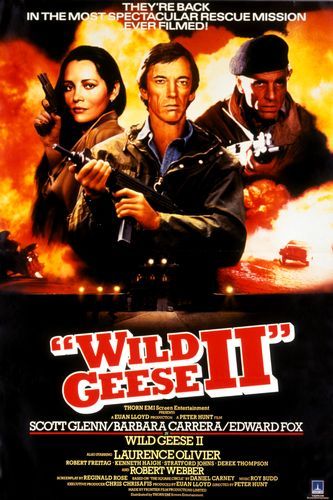 Wild Geese II(1985)
 The Marvelous Mrs. Maisel(2017)
 Gold(2020)
 Jackie(2016)
 Fargo(2014)
 Saturday Night Live(1975)
 Entertainment Tonight(1981)as Self
 The 37th Annual Tony Awards(1983)as Self - Co-Host
 Guten Morgen Österreich(2016)as Self
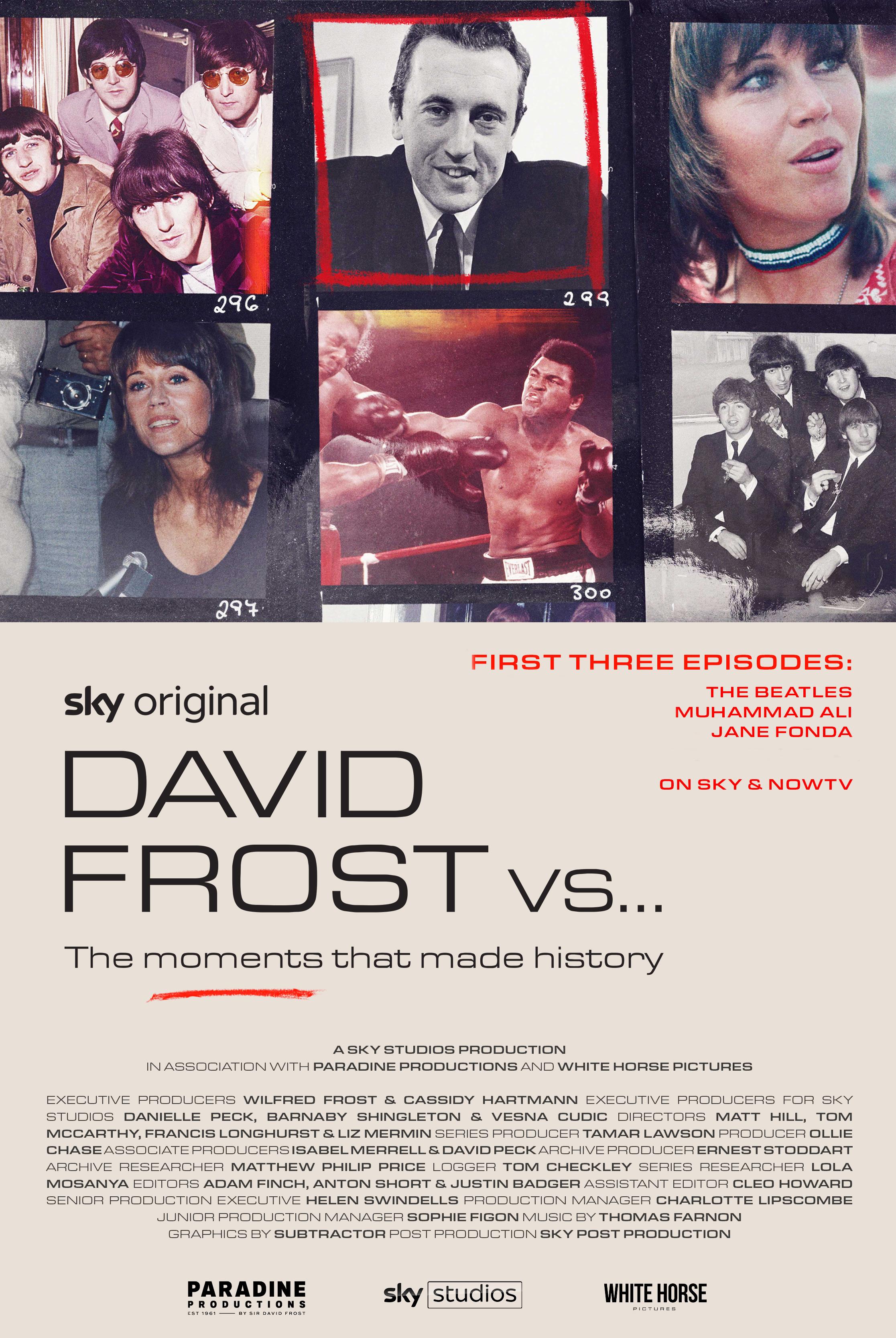 David Frost Vs(2025)as Self
 Guilty Rebel(2024)as Narrator
 Compression(1995)as Self
 MsMojo(2016)as Mark Antony
 Elizabeth Taylor: The Lost Tapes(2024)as Self
 Jeff Wayne's Musical Version of the War of the Worlds: Minigame Adventure(2011)as George Herbert, The Journalist
 Jeff Wayne's Musical Version of 'The War of the Worlds' - Alive on Stage(2006)as George Herbert, The Journalist
 Jeff Wayne's the War of the Worlds(1998)as George Herbert, The Journalist
 Under Milk Wood(1992)as First Voice