Clinton Eastwood Jr. was born May 31, 1930 in San Francisco, to Clinton Eastwood Sr., a bond salesman and later manufacturing executive for Georgia-Pacific Corporation, and
Ruth Wood (née Margret Ruth Runner), a housewife turned IBM clerk. He grew up in nearby Piedmont. At school Clint took interest in music and mechanics, but was an otherwise bored student; this resulted in being held back a grade.
In 1949, the year he graduated from high school, his parents and younger sister Jeanne moved to Seattle. Clint spent a couple years in the Pacific Northwest himself, operating log broncs in Springfield, Oregon, with summer gigs life-guarding in Renton, Washington. Returning to California in 1951, he did a two-year stint at Fort Ord Military Reservation and later enrolled at L.A. City College, but dropped out to pursue acting.
During the mid-1950s he landed uncredited bit parts in such Z movies as
Revenge of the Creature (1955) and
Tarantula (1955) while digging swimming pools and driving a garbage truck to supplement his income. In 1958, he landed his first consequential acting role in the long-running TV show
Rawhide (1959) with
Eric Fleming. Although only a secondary player the first seven seasons, he was promoted to series star when Fleming departed--both literally and figuratively--in its final year, along the way becoming a recognizable face to television viewers around the country.
Eastwood's big-screen breakthrough came as The Man with No Name in
Sergio Leone's trilogy of excellent spaghetti westerns:
A Fistful of Dollars (1964),
For a Few Dollars More (1965), and
The Good, the Bad and the Ugly (1966). The movies were shown exclusively in Italy during their respective copyright years with
Enrico Maria Salerno providing the voice of Eastwood's character, finally getting American distribution in 1967-68. As the last film racked up respectable grosses, Eastwood, 37, rose from a barely registering actor to sought-after commodity in just a matter of months. Again a success was the late-blooming star's first U.S.-made western,
Hang 'Em High (1968). He followed that up with the lead role in
Coogan's Bluff (1968) (the loose inspiration for the TV series
McCloud (1970)), before playing second fiddle to
Richard Burton in the World War II epic
Where Eagles Dare (1968) and
Lee Marvin in the bizarre musical
Paint Your Wagon (1969). In
Two Mules for Sister Sara (1970) and
Kelly's Heroes (1970), Eastwood leaned in an experimental direction by combining tough-guy action with offbeat humor.
1971 proved to be his busiest year in film. He starred as a sleazy Union soldier in
The Beguiled (1971) to critical acclaim, and made his directorial debut with the classic erotic thriller
Play Misty for Me (1971). His role as the hard edge police inspector in
Dirty Harry (1971), meanwhile, boosted him to cultural icon status and helped popularize the loose-cannon cop genre. Eastwood put out a steady stream of entertaining movies thereafter: the westerns
Joe Kidd (1972),
High Plains Drifter (1973) and
The Outlaw Josey Wales (1976) (his first of six onscreen collaborations with then live-in love
Sondra Locke), the Dirty Harry sequels
Magnum Force (1973) and
The Enforcer (1976), the action-packed road adventures
Thunderbolt and Lightfoot (1974) and
The Gauntlet (1977), and the prison film
Escape from Alcatraz (1979). He branched out into the comedy genre in 1978 with
Every Which Way But Loose (1978), which became the biggest hit of his career up to that time; taking inflation into account, it still is. In short,
The Eiger Sanction (1975) notwithstanding, the 1970s were nonstop success for Eastwood.
Eastwood kicked off the 1980s with
Any Which Way You Can (1980), the blockbuster sequel to Every Which Way but Loose. The fourth Dirty Harry film,
Sudden Impact (1983), was the highest-grossing film of the franchise and spawned his trademark catchphrase: "Make my day." He also starred in
Bronco Billy (1980),
Firefox (1982),
Tightrope (1984),
City Heat (1984),
Pale Rider (1985) and
Heartbreak Ridge (1986), all of which were solid hits, with
Honkytonk Man (1982) being his only commercial failure of the period. In 1988, he did his fifth and final Dirty Harry movie,
The Dead Pool (1988). Although it was a success overall, it did not have the box office punch the previous films had. About this time, with outright bombs like
Pink Cadillac (1989) and
The Rookie (1990), it seemed Eastwood's star was declining as it never had before. He then started taking on low-key projects, directing
Bird (1988), a biopic of
Charlie Parker that earned him a Golden Globe, and starring in and directing
White Hunter Black Heart (1990), an uneven, loose biopic of
John Huston (both films had a limited release).
Eastwood bounced back big time with his dark western
Unforgiven (1992), which garnered the then 62-year-old his first ever Academy Award nomination (Best Actor), and an Oscar win for Best Director. Churning out a quick follow-up hit, he took on the secret service in
In the Line of Fire (1993), then accepted second billing for the first time since 1970 in the interesting but poorly received
A Perfect World (1993) with
Kevin Costner. Next was a love story,
The Bridges of Madison County (1995), where Eastwood surprised audiences with a sensitive performance alongside none other than
Meryl Streep. But it soon became apparent he was going backwards after his brief revival. Subsequent films were credible, but nothing really stuck out.
Absolute Power (1997) and
Space Cowboys (2000) did well enough, while
True Crime (1999) and
Blood Work (2002) were received badly, as was
Midnight in the Garden of Good and Evil (1997), which he directed but didn't appear in.
Eastwood surprised again in the mid-2000s, returning to the top of the A-list with
Million Dollar Baby (2004). Also starring
Hilary Swank and
Morgan Freeman, the hugely successful drama won four Academy Awards, including Best Picture and Best Director for Eastwood. He scored his second Best Actor nomination, too. His next starring vehicle,
Gran Torino (2008), earned almost $30 million in its opening weekend and was his highest grosser unadjusted for inflation. 2012 saw him in a rare lighthearted movie,
Trouble with the Curve (2012), as well as a reality show,
Mrs. Eastwood & Company (2012).
Between acting jobs, he chalked up an impressive list of credits behind the camera. He directed
Mystic River (2003) (in which
Sean Penn and
Tim Robbins gave Oscar-winning performances),
Flags of Our Fathers (2006),
Letters from Iwo Jima (2006) (nominated for the Best Picture Oscar),
Changeling (2008) (a vehicle for
Angelina Jolie),
Invictus (2009) (again with Freeman),
Hereafter (2010),
J. Edgar (2011),
Jersey Boys (2014),
American Sniper (2014) (2014's top box office champ),
Sully (2016) (starring
Tom Hanks as hero pilot
Chesley Sullenberger) and
The 15:17 to Paris (2018). Back on screens after a considerable absence, he played an unlikely drug courier in
The Mule (2018), which reached the top of the box office with a nine-figure gross, then directed
Richard Jewell (2019). At age 91, Eastwood made history as the oldest actor to star above the title in a movie with the release of
Cry Macho (2021).
Away from the limelight, Eastwood has led an aberrant existence and is described by biographer
Patrick McGilligan as a cunning manipulator of the media. His convoluted slew of partners and children are now somewhat factually acknowledged, but for the first three decades of his celebrity, his personal life was kept top secret, and several of his families were left out of the official narrative. The actor refuses to disclose his exact number of offspring even to this day. He had a longtime relationship with similarly abstruse co-star Locke (who died aged 74 in 2018, though for her entire public life she masqueraded about being younger), and has fathered at least eight children by at least six different women in an unending string of liaisons, many of which overlapped. He has been married only twice, however, with a mere three of his progeny coming from those unions.
His known children are:
Laurie Murray (b. 1954), whose mother is unidentified;
Kimber Eastwood (b. 1964) with stuntwoman
Roxanne Tunis;
Kyle Eastwood (b. 1968) and
Alison Eastwood (b. 1972) with his first ex-wife,
Margaret Neville Johnson;
Scott Eastwood (b. 1986) and
Kathryn Eastwood (b. 1988) with stewardess Jacelyn Reeves;
Francesca Eastwood (b. 1993) with actress
Frances Fisher; and
Morgan Eastwood (b. 1996) with his second ex-wife,
Dina Eastwood. The entire time that he lived with Locke she was legally married to sculptor
Gordon Anderson.
Eastwood has real estate holdings in Bel-Air, La Quinta, Carmel-by-the-Sea, Cassel (in remote northern California), Idaho's Sun Valley and Kihei, Hawaii.

 Juror #2(2024)
 Cry Macho(2021)
 Richard Jewell(2019)
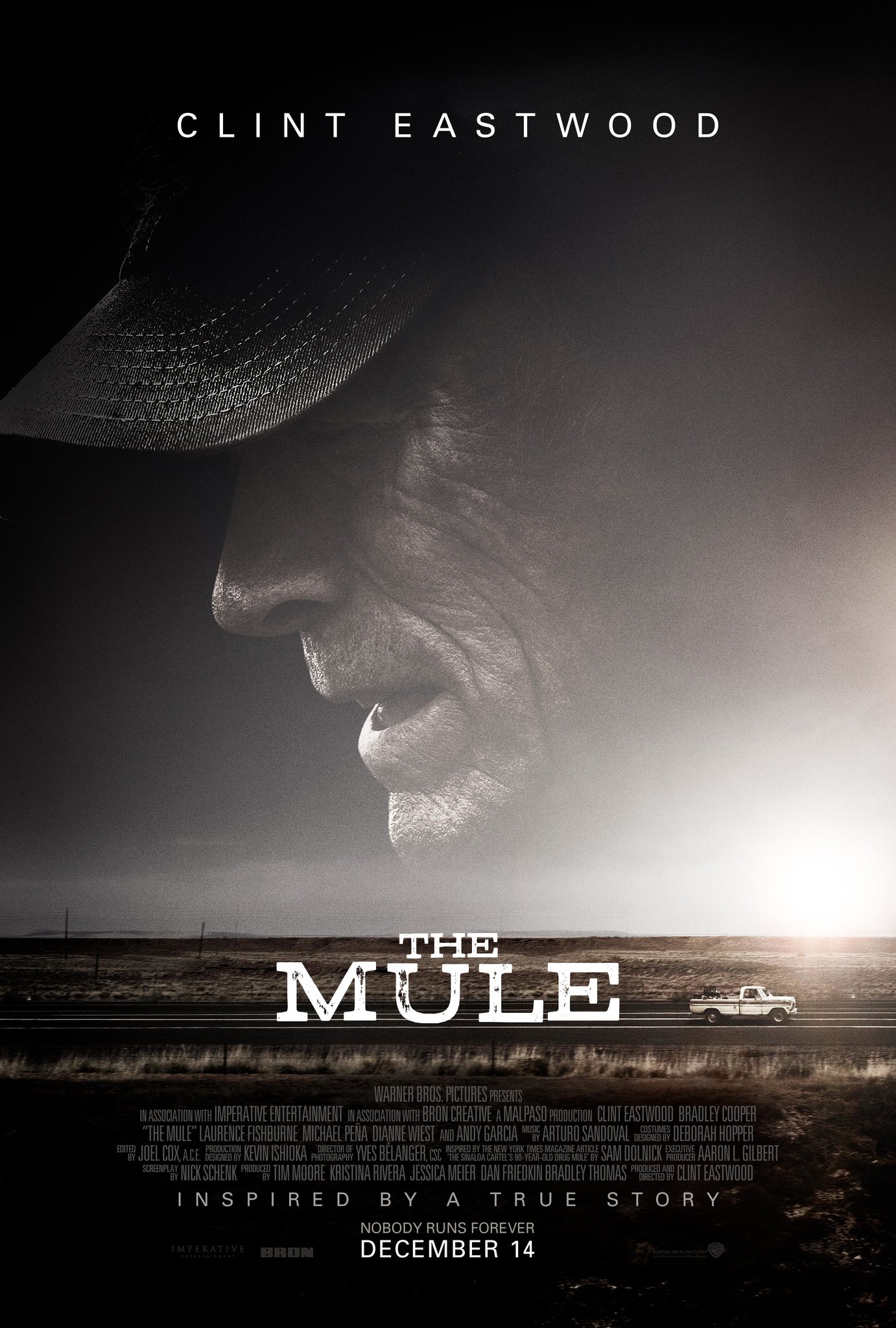 The Mule(2018)
 The 15:17 to Paris(2018)
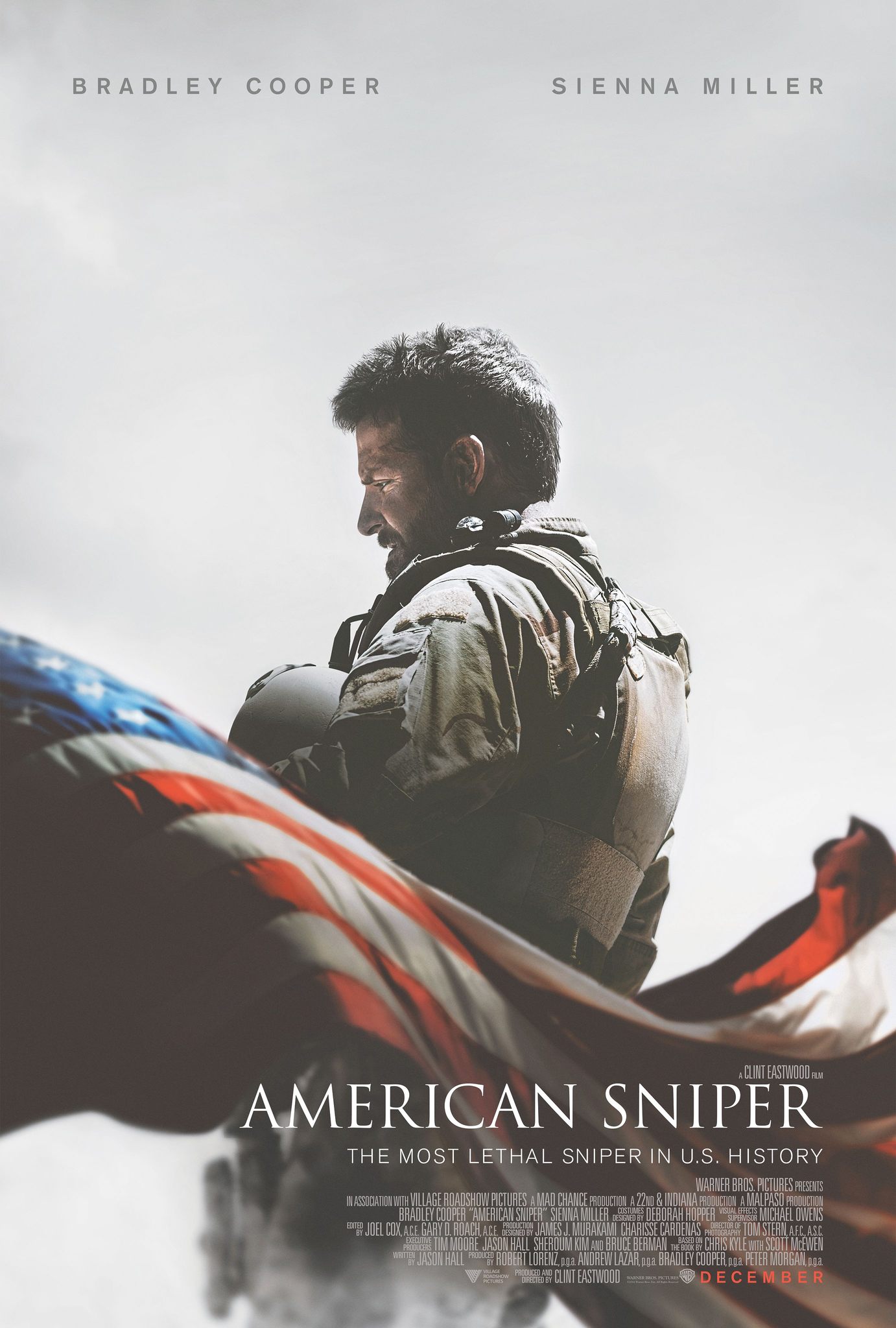 American Sniper(2014)as Church Goer
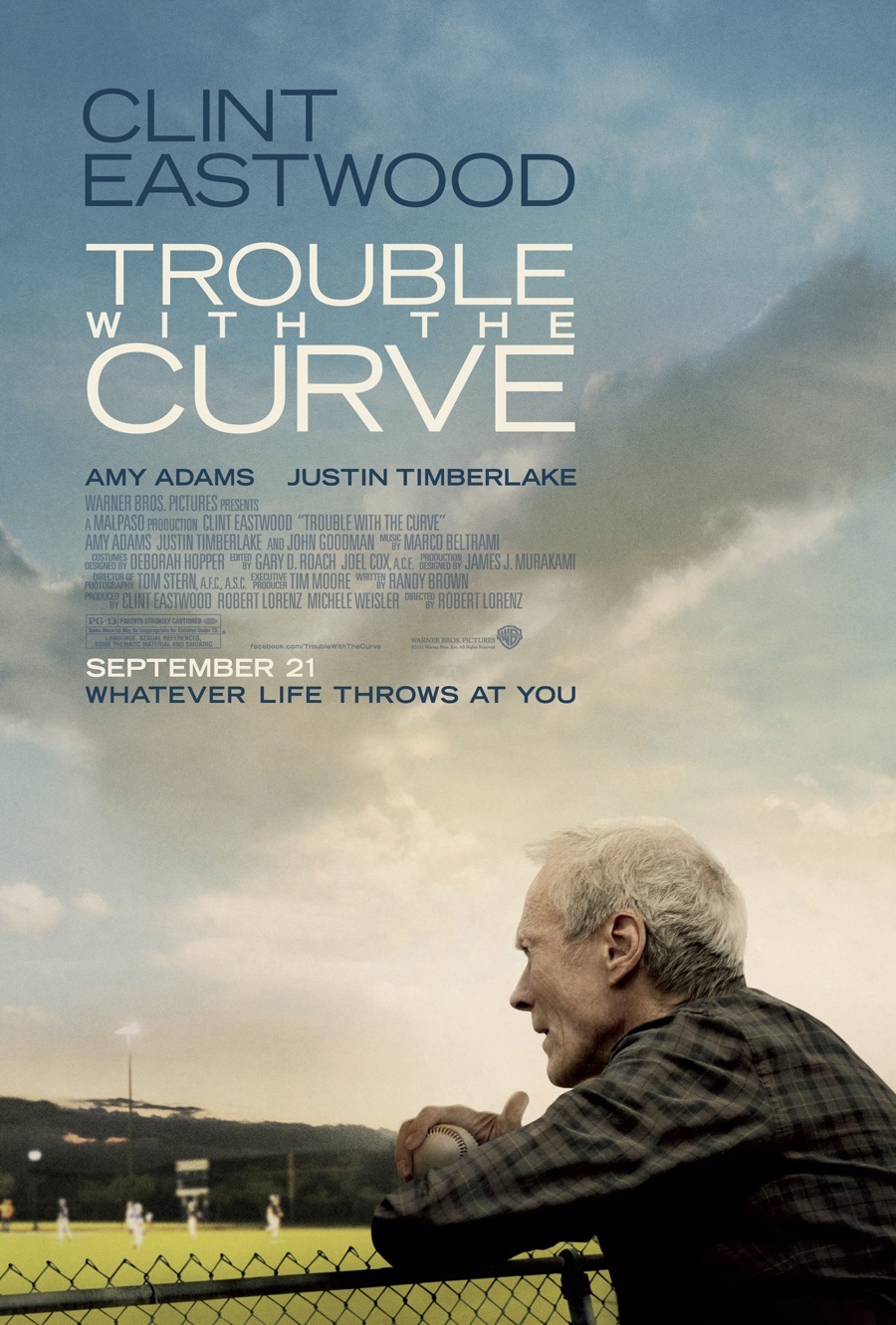 Trouble with the Curve(2012)as Gus
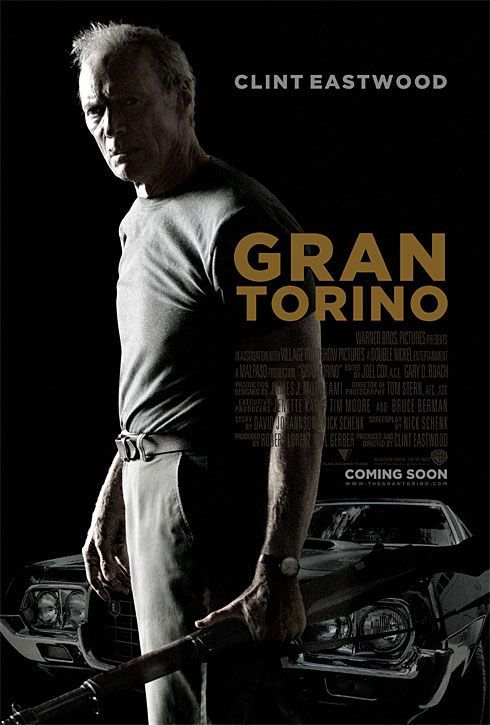 Gran Torino(2008)as Walt Kowalski
 Eastwood Symphonic - Une affaire de Famille(2023)
 J. Edgar(2011)
 Hereafter(2010)
 The Writers' Block(2008)
 Jamie Cullum: Gran Torino(2008)
 Dirty Harry(1971)
 Eastwood on Eastwood(1997)
 Sully(2016)
 Lives Well Lived(2023)
 Raise My Hands(2012)
 Johnny Mercer: The Dream's on Me(2009)
 The Good, the Bad and the Ugly(1966)
 A World Away(2019)
 The Legend of Cocaine Island(2018)
 Diminishing Returns(2016)
 Kain's Lists(2013)
 100 Years of Warner Bros.(2023)as Self
 Sergio Leone - L'italiano che inventò l'America(2022)as Self
 Entertainment Tonight(1981)as Self
 Rembob'Ina(2018)as Self, Self - Interviewee
 GDF(2022)as Self
 Aka Charlie Sheen(2025)as Self - Director & Co-Star, The Rookie
 Fresh Air(1975)as Self - Guest


