Versatile art director Henry Bumstead was an adroit master of outdoor
set design, at his best and most prolific under
Alfred Hitchcock (4 films),
George Roy Hill (8 films) and
Clint Eastwood (13 films). The son of a
sporting goods store manager and a schoolteacher, Henry inherited both
strong athletic and artistic inclinations. Captain of his high school
football team, he joined the University of Southern California on a
four-year football scholarship. However, plans for sporting stardom
were scuttled after he sustained a back injury during a match, which
was to plague him for the rest of his life. It forced him to
dramatically re-evaluate his career options and concentrate on his arts
degree. Because of his excellent grades in drawing and architecture at
USC, he was hired in 1935 by
John W. Harkrider at RKO as an
apprentice draughtsman for $35 a week.
After two years learning the basics of his trade, he was engaged by
Paramount as a sketch artist, model maker and assistant art director on
the same salary. He gained valuable experience under the tutelage of
Hans Dreier, one of Hollywood's foremost
experts in production design. After serving with the U.S. Navy during
World War II, 'Bummy', as he came to be known, graduated to full art
director, beginning with the motion picture
Saigon (1947). Until the end of his
contract with Paramount in 1960, his name often appeared behind that of
supervising art directors Dreier and/or his successor,
Hal Pereira, in the credits, though neither
had a great deal to do with the picture. This was notably the case with
his early work for Hitchcock, which served as the foundation for his
subsequent career.
The story goes, that Hitch's trusted cinematographer,
Robert Burks, recommended Bummy to work on
the remake of
The Man Who Knew Too Much (1956).
His keen sense for authentic detail (as exemplified by the Marrakesh
restaurant) was duly appreciated and led to his subsequent work on the
iconic thriller
Vertigo (1958). His
exquisitely textured and evocative outdoor design encompassed more than
fifty individual sets, including the interior of the Spanish mission
bell tower, the cemetery and the eerily quiet art gallery - all of
which impart an indelible feeling for the story before even a single
line is uttered. Hitch himself was so taken with Bummy's opulent 19th
century-styled interior for
Tom Helmore's
office, that he tasked the art director with redesigning his own
office.
A year after leaving Paramount in 1960, Bumstead joined Universal on a
long-term contract. For the remainder of the decade, he worked on a
number of prestigious assignments, recreating small-town Alabama for
To Kill a Mockingbird (1962),
a vivid 11th century landscape of Druids, knights and magic for
The War Lord (1965), and the
sun-drenched North African battlegrounds of
Tobruk (1967) during World War II. For
George Roy Hill, he created meticulous studio sets of depression-era
Chicago for
The Sting (1973),
effectively contrasting the affluent with the seedy and impoverished.
It was also down to his suggestion to use browns and sepias to evoke a
1920's or 30's look. Bummy's long association with Eastwood began with
Joe Kidd (1972) and ended with
Letters from Iwo Jima (2006).
He memorably juxtaposed sparse frontier architecture for
High Plains Drifter (1973)
and
Unforgiven (1992) with the harsh
and vast western landscape surrounding it; and helped set the tone for
Midnight in the Garden of Good and Evil (1997)
with his sumptuous, decadent exteriors and interiors of Savannah high
society.
During his later years, Bummy taught production design at the American
Film Institute. Still working at the age of 90, he remained
consistently self-effacing and was most proud of the fact that he had
never been fired, laid off or forced to look for work. He was inducted
into the Art Directors Hall of Fame in 2007.

 A Time of Destiny(1988)as Colonel in Italy
 Slaughterhouse-Five(1972)as Eliot Rosewater
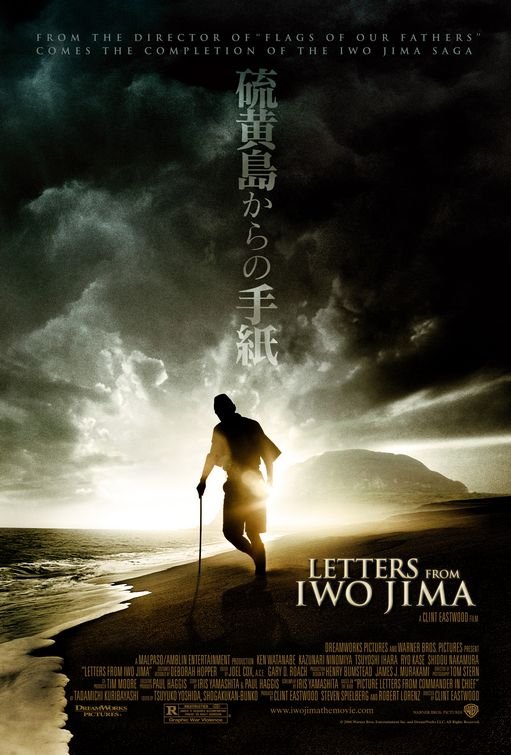 Letters from Iwo Jima(2006)
 Flags of Our Fathers(2006)
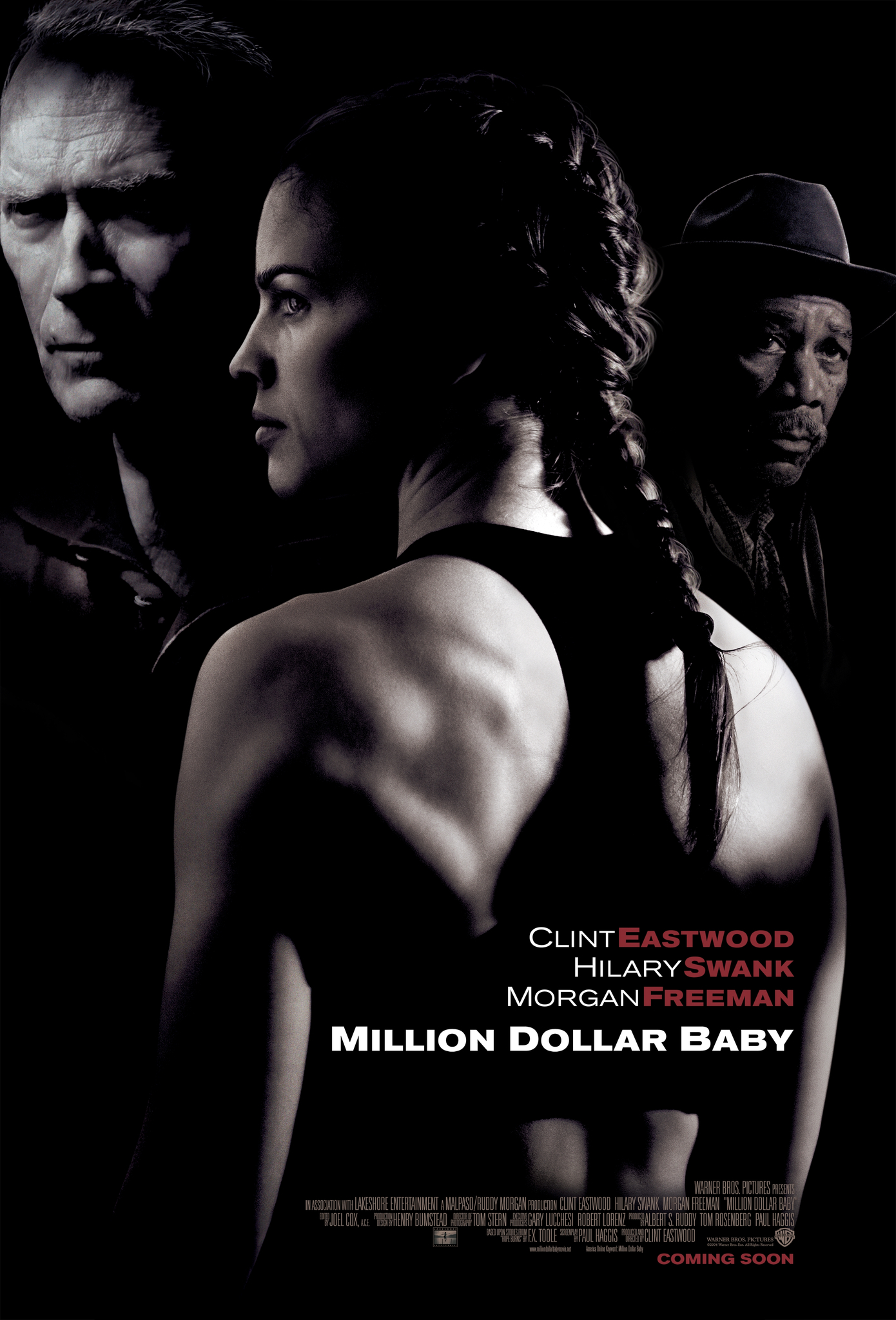 Million Dollar Baby(2004)
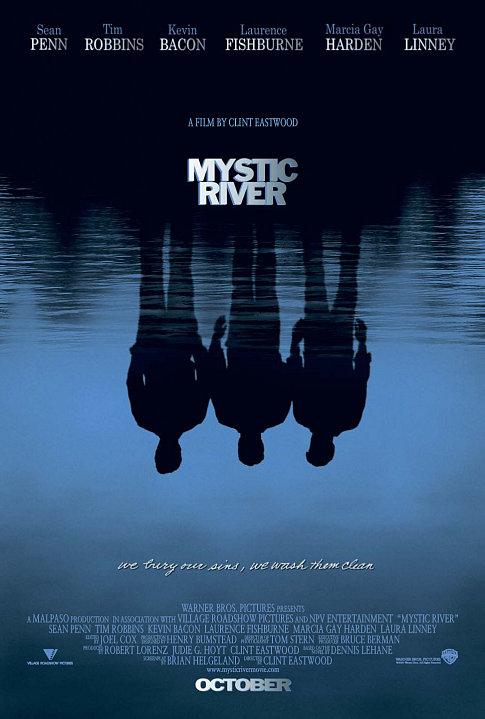 Mystic River(2003)
 Blood Work(2002)
 Amateur Night at the Dixie Bar and Grill(1979)
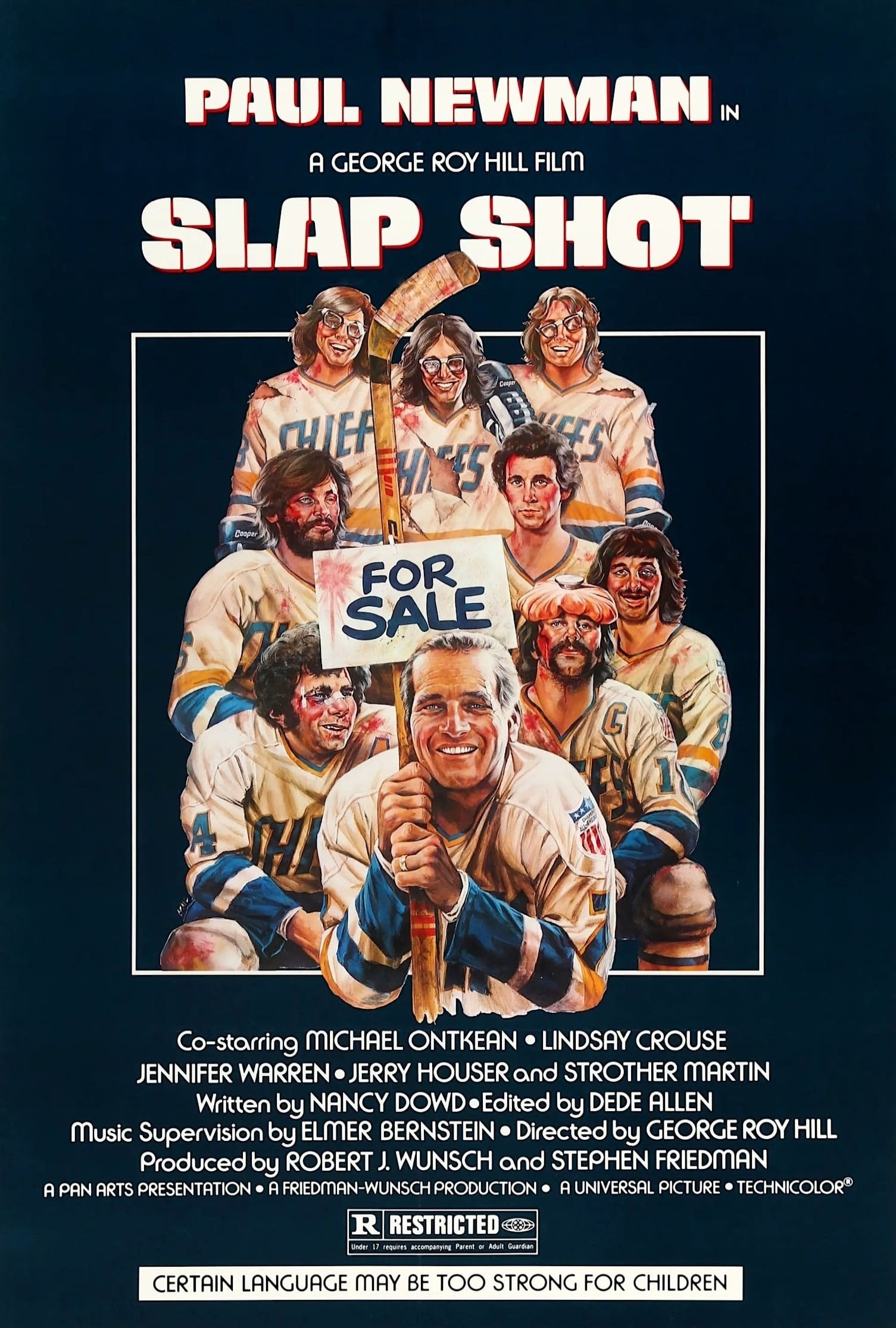 Slap Shot(1977)
 The Great Waldo Pepper(1975)
 The Front Page(1974)
 The Sting(1973)
 The Incredible Shrinking Woman(1981)
 The Story of Dr. Wassell(1944)


 Something's Gonna Live(2009)as Self
 Red Sun, Black Sand: The Making of 'Letters from Iwo Jima'(2007)as Self
 Oz Tribute: The Art of Imagination(2005)as Self
 Clint Eastwood: A Cinematic Legacy(2021)as Self
 The 79th Annual Academy Awards(2007)as Self - Memorial Tribute

