He was a notably short, Italian, nasal-toned and mischievous-looking
fellow, a perfect type for the stand-up comedy circuit and for playing
Brooklynesque characters in T.V. sitcoms and films...which is just what
Ron Carey did. He was born Ronald Joseph Cicenia in Newark, New Jersey,
on December eleventh, 1935, into a huge Italian family; his father was
a singing waiter at one time. Ron earned his Bachelor's degree in
communications from Seton Hall University in South Orange in 1956, but
it didn't take him long to change directions. Together his pint-sized
frame (actually, he was 5'7", but "acted" much shorter), pushy attitude
and elastic face seemed like an ideal blend for inducing laughs, so he
decided to begin a career in entertainment instead.
Ron moved to near-by New York and took to the comedy stage, finding
work in such prime clubs as "The Improvisation". He soon earned notice
for his "little man" humor, which was built around Italian family and
Roman Catholic "guilt" jokes (in reality, he once considered being a
priest). Ron finally gained some momentum on T.V. making various
funnyman appearances on the talk/variety show formats hosted by the
best of the best --
Jack Paar,
Merv Griffin,
Mike Douglas,
Ed Sullivan and
Johnny Carson. He also found
lucrative work in commercials playing various feisty or hapless
characters.
Ron finally broke into films with the
Jack Lemmon/
Sandy Dennis
comedy
The Out of Towners (1970) as a
Boston taxi driver, then continued on with other minor bits in
Who Killed Mary Whats'ername? (1971)
and the cult film
Made for Each Other (1971)
starring
Joseph Bologna and
Renée Taylor. Earlier Ron appeared
on Broadway in the couple's 1968 hit comedy "Lovers and Other
Strangers." It wasn't until his work as a secondary staple in
Mel Brooks' madcap company that he
earned even a modicum of success in films. His participation in the
zany parodies
Silent Movie (1976),
High Anxiety (1977) and
History of the World: Part I (1981)
occurred during the height of his T.V. fame. Likewise, he went on to
deliver a substantial role as plus-sized
Dom DeLuise's unsympathetic brother Frankie
in
Fatso (1980), directed by Brooks' wife
Anne Bancroft.
As for the smaller screen, a regular player on the summer variety
series
The Melba Moore-Clifton Davis Show (1972)
led to his being cast in the New York-area sitcom
The Corner Bar (1972) and the
ethnic family comedy
The Montefuscos (1975). A
steady pay-check was not to be had, however, until he was added to the
second season ensemble of
Barney Miller (1975) headed by
Hal Linden and
Abe Vigoda. Ron earned sympathy strokes as
Carl Levitt, a brown-nosing, eager-beaver patrolman who yearned to be a
plainclothes detective in Barney's police agency, but just didn't
measure up because of his vertically challenged stature. Ron, whose
character finally received a promotion after the long haul, stayed with
the popular show until its cancellation in 1982.
His on-screen visibility decreased following the end of the police
show. He was spotted in a few supporting roles
(
Johnny Dangerously (1984) and
Lucky Luke (1991)) here and there both
here and in Italy, and attempted to cash in on his
Barney Miller (1975) fame with
a follow-up sitcom, playing a priest in
Have Faith (1989), but things
didn't quite pan out. His final film was a major role in the
eleven-minute piece
Food for Thought (1999). Ron
died of complications from a stroke at seventy-one years old in Los
Angeles and is survived by long-time wife Sharon.

 Food for Thought(1999)as Business Man
 The Good Bad Guy(1997)as Robert Lambert
 Troublemakers(1994)as Sheriff Fox
 Lucky Luke(1992)as Joe Dalton
 Lucky Luke(1991)as Joe Dalton
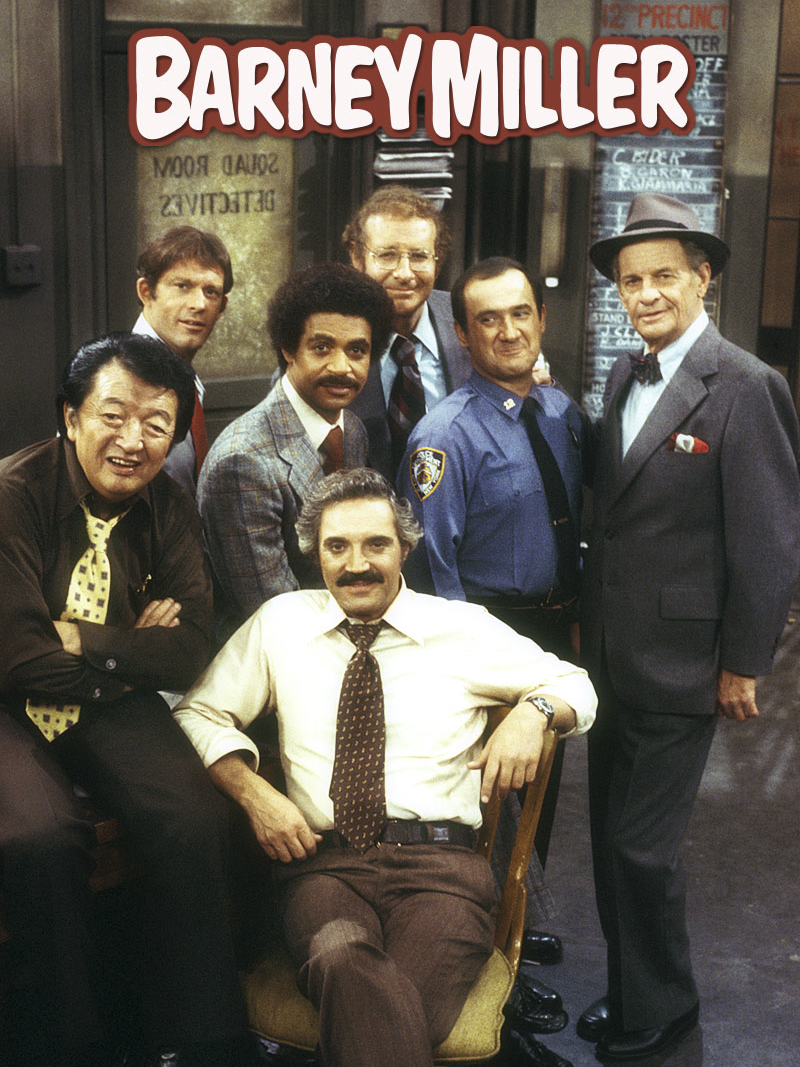 Barney Miller(1975)
 Super Password(1984)as Self - Celebrity Contestant
 The Mike Douglas Show(1961)as Self - Comedian, Self - Actor, Self, Self - Comic
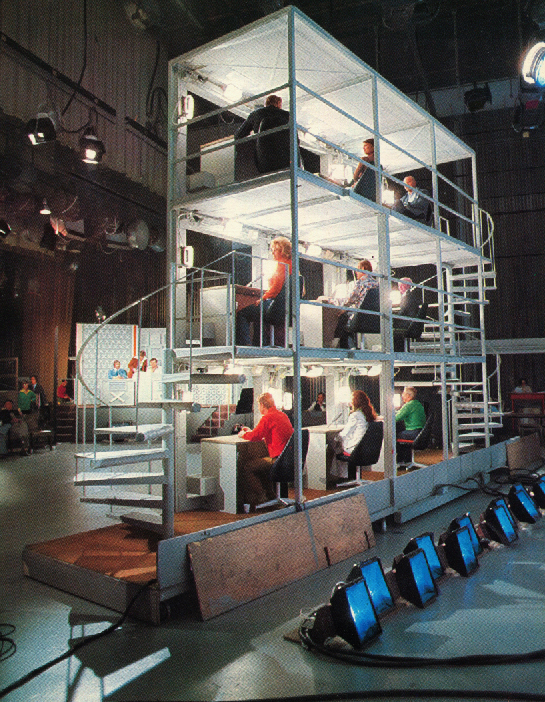 The Hollywood Squares (Daytime)(1965)as Self - Panelist
 All-Star Family Feud Special(1978)as Self - Celebrity Contestant
 Drink, Drank, Drunk(1974)as Game Show Host
 Mel Brooks: The 99 Year Old Man!(2026)as Self
 Ed Sullivan's Comedy Legends(2022)as Self
 Making History: Mel Brooks on Creating the World(2009)as Swiftus
 14th Annual Screen Actors Guild Awards(2008)as Self - In Memoriam


