Merv Griffin was a singer and band leader, movie actor, television
personality and media mogul who in his time hosting
The Merv Griffin Show (1962)
was second in fame and influence as a talk show host only to
Johnny Carson. Griffin was best
known for creating the two most popular game shows in television
syndication history,
Wheel of Fortune (1983) and
Jeopardy! (1984), which are watched
by hundreds of millions of people all over the world. In the business
world, he was identified as the visionary chairman of The Griffin
Group.
Born in the San Francisco, California suburb of San Mateo, Griffin
"came up through the ranks" in the classic sense, entering talent
contests, writing songs, singing on local radio station KFRC-San
Francisco, and later touring with
Freddy Martin Orchestra.
He became increasingly popular with nightclub audiences and his fame
soared among the general public when he struck gold in 1950 with "I've
Got a Lovely Bunch of Coconuts", which reached the number one spot on
the Hit Parade and sold three million copies.
Continuing to record hits, including "Wilhelmina" and "Never Been
Kissed", Griffin made a foray into motion pictures after
Doris Day saw his nightclub
performance and arranged a screen test for him at Warner Bros. Studios.
While under contract at Warner Bros., he appeared in a number of hit
movies, including
So This Is Love (1953) with
Kathryn Grayson and
The Boy from Oklahoma (1954)
with
Will Rogers Jr., and
Lon Chaney Jr..
Television then discovered him. As a regular performer on
The Arthur Murray Party (1950),
The Tonight Show Starring Jack Paar (1957)
and others, he was offered the opportunity to host his own television
series,
Play Your Hunch (1958). It
was during this period that he conceived the idea for what was to
become one of the most successful game shows in television history,
Jeopardy! (1964). But it was in
1962 that his career took its most dramatic turn. He became a
substitute host for
Jack Paar on
The Tonight Show Starring Jack Paar (1957)
and scored some of the highest ratings in the show's history. As a
result, NBC gave him his own hour-long daytime talk show program,
The Merv Griffin Show (1962).
Griffin's name and talk show career will always be seen in the light of
that of
Johnny Carson, the "King
of late night TV", with whom Griffin directly competed on CBS from 1969 to
1972. Griffin's first daytime talk show began on the same day Carson
first hosted
The Tonight Show (1962).
While Carson's style was indebted to his long apprenticeship in Los
Angeles in the 1950s, Griffin was based in New York, where he
socialized with New York's theater and café crowds. Griffin's approach
to television talk was influenced by two New York shows,
David Susskind's
Open End (1958) and
Mike Wallace's
Night Beat (1956), and like
Susskind and Wallace, he openly embraced controversial subjects. In
1965, Griffin was criticized as a "traitor" when he aired a special
from London in which Nobel Prize-winning philosopher
Bertrand Russell denounced the Vietnam
War.
Despite his success on daytime television, it was late night that was
The Holy Grail for talk show hosts. In 1969, CBS hired Griffin to
directly compete with Carson in the 11:30 PM to 1:00 AM time slot that
had proven a grave yard for other personalities. Not one to shy away
from controversy, Griffin began to be harassed by CBS censors who
objected to the antiwar statements of his guests and ordered him to
feature pro-war guests for balance. "The irony of the situation wasn't
wasted on me", Griffin recalls in his autobiography. "In 1965, I'm
called a traitor by the press for presenting
Bertrand Russell, and, four years
later, we are hard-pressed to find anybody to speak in favor of the
Vietnam War".
In March 1970, CBS censors pixilated antiwar activist
Abbie Hoffman because he was wearing a
shirt that resembled an American flag. The resulting blurred image
meant that Hoffman's voice emanated from a "jumble of lines". CBS also
pressured Griffin into sacking his long-term sidekick
Arthur Treacher, who had been his
television mentor, because he was too old. The censorship did not boost
the ratings for Griffin, who was facing stiff competition from the
genial Carson, who himself was criticized during the era for shying
away from controversial subjects.
In 1972, a fed-up Griffin negotiated a syndication deal with Metromedia
to move his talk show back to the daytime, and in the event he was
terminated by CBS. The deal was signed in secret as a penalty clause in
his CBS contract gave him $1 million in the event of his being fired.
Later that year, CBS terminated Griffin's late-night talk show and
Griffin immediately made the transition to Metromedia's syndicated
network.
While Griffin may have been a washout in late night television (and he had LOTS of company - EVERYONE who went up against Carson lost the ratings race, and Johnny always came out the victor), Griffin's
impact on daytime was immense, specifically through his production of
game shows. An avid fan of puzzles since childhood, Griffin first
produced a successful game show in 1964,
Jeopardy! (1964) for NBC. After 13
seasons as a daytime talk show host, Griffin retired from his talk show
in 1986 to devote himself to producing his highly profitable game
shows.
Jeopardy! (2002) remains the second
highest rated game show in television syndication while
Wheel of Fortune (1983)
continues to be the longest running game show to hold the number one
spot in television syndication history. Other Griffin successes in the
game show field included "One in a Million" and
Joe Garagiola's
Memory Game (1971), both airing
on ABC, Let's Play Post Office on NBC, and
Reach for the Stars (1967).
In 1986, Griffin sold his production company, Merv Griffin Enterprises,
to Coca-Cola's Columbia Pictures Television unit for $250 million as
well as a continuing share of the profits of the shows. At that time,
the transaction represented the largest acquisition of an entertainment
company owned by a single individual. Subsequently, Sony Pictures
Entertainment purchased Columbia and he retains the title of executive
producer of both "Wheel of Fortune" and "Jeopardy!" (for which he still
creates puzzles and questions.) He served as Executive Producer of "Men
Are From Mars, Women Are From Venus" (2000).
After his retirement from daytime chat, Merv became a real estate
baron, acquiring the Beverly Hilton Hotel in Beverly Hills, which is
now the venue of choice for virtually all of the Tinseltown's most high
profile events such as The Golden Globe Awards, The Soap Opera Digest
Awards, and The American Film Institute's Lifetime Achievement Awards.
He also owns the Hilton Scottsdale Resort and Villas in Arizona, and
St. Clerans Manor, an 18th century estate once owned by director John
Huston which is located near Galway, the premier resort destination in
Ireland.
In January 1998, Griffin opened The Coconut Club, one of the country's
hottest swing/dance clubs, at his Beverly Hilton Hotel. This weekend
venue, fashioned after Hollywood's famed Coconut Grove (where Griffin
headlined as a boy singer with The Freddy Martin Orchestra) features
live Big Bands, Swing Orchestras, and Rock Bands amidst a glamorous
nightclub setting.
He was honored with the prestigious 1994 Broadcasting and Cable "Hall
of Fame" Award, alongside such figures as
Diane Sawyer and
Dan Rather. Winner of 15 Emmy Awards, Griffin
was presented an Outstanding Game/Audience Participation Show Emmy for
1993-1994 as executive producer of
Jeopardy! (1984) He had also been
the recipient of the coveted Scopus Award from the American Friends of
Hebrew University, "The Duke Award" presented by the
John Wayne Cancer Institute, and he
had been honored by the American Ireland Fund and the SHARE
organization. He was Lifetime Honorary Festival Chairman of La Quinta
Arts Festival and recently donated his Wickenburg Inn and Dude Ranch to
Childhelp USA.
In March 2001, the Gold Label released his new CD, "It's Like a Dream",
for which he composed the title song. Among his private passions are
his family, son
Tony Griffin,
daughter-in-law Tricia, and grandchildren Farah and Donovan Mervyn, his
long-haired sharpei dog Charlie Chan, his La Quinta ranch near Carmel,
where he raises thoroughbred racing horses, and his 135 foot,
four-story high ocean going yacht, Griff. Merv Griffin died at age 82
of prostate cancer in Los Angeles, California on August 12, 2007.

 Jeopardy!(1984)
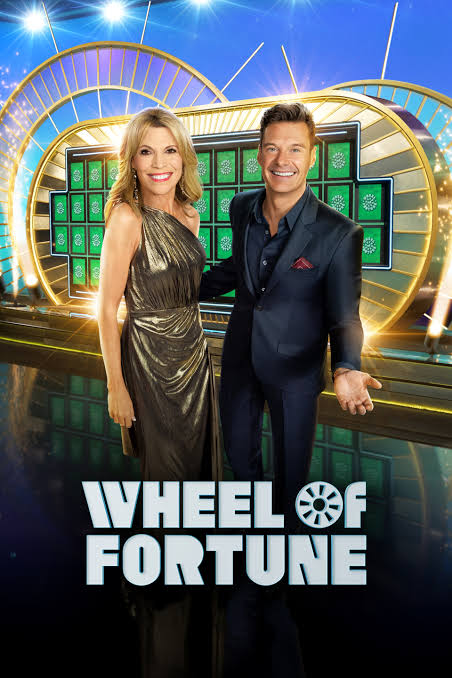 Wheel of Fortune(1983)
 Celebrity Jeopardy!(2022)
 La ruleta de la suerte(2006)
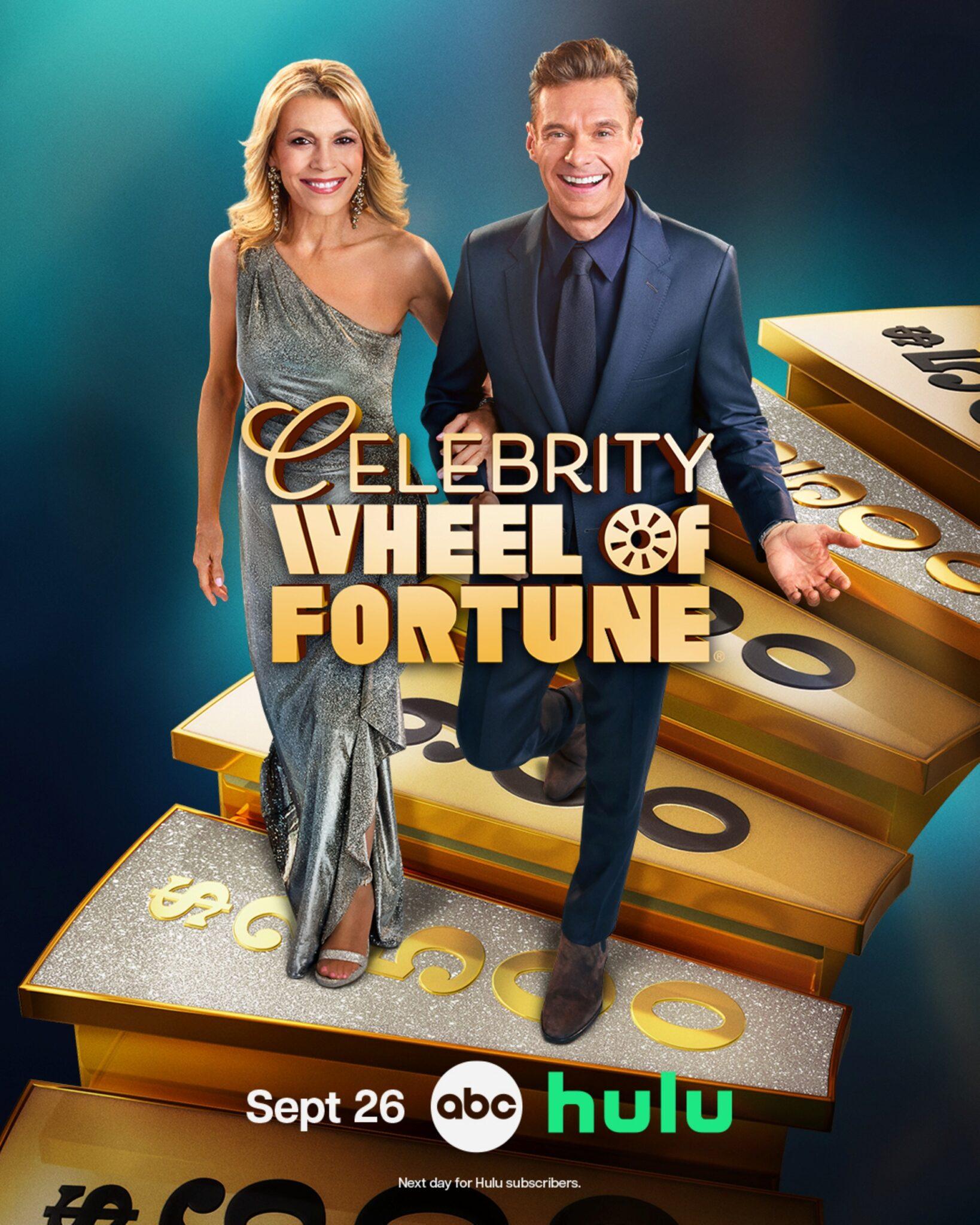 Celebrity Wheel of Fortune(2021)
 Fat Actress(2005)as Merv Griffin
 Hercules(1998)as Merv Griffin
 Hope & Gloria(1995)as Merv Griffin
 The Golden Girls(1985)as Merv Griffin
 Crosswords(2007)
 Lisa Williams: Life Among the Dead(2006)
 The Merv Griffin Show: 40 of the Most Interesting People of Our Time(2006)
 Shade(2003)
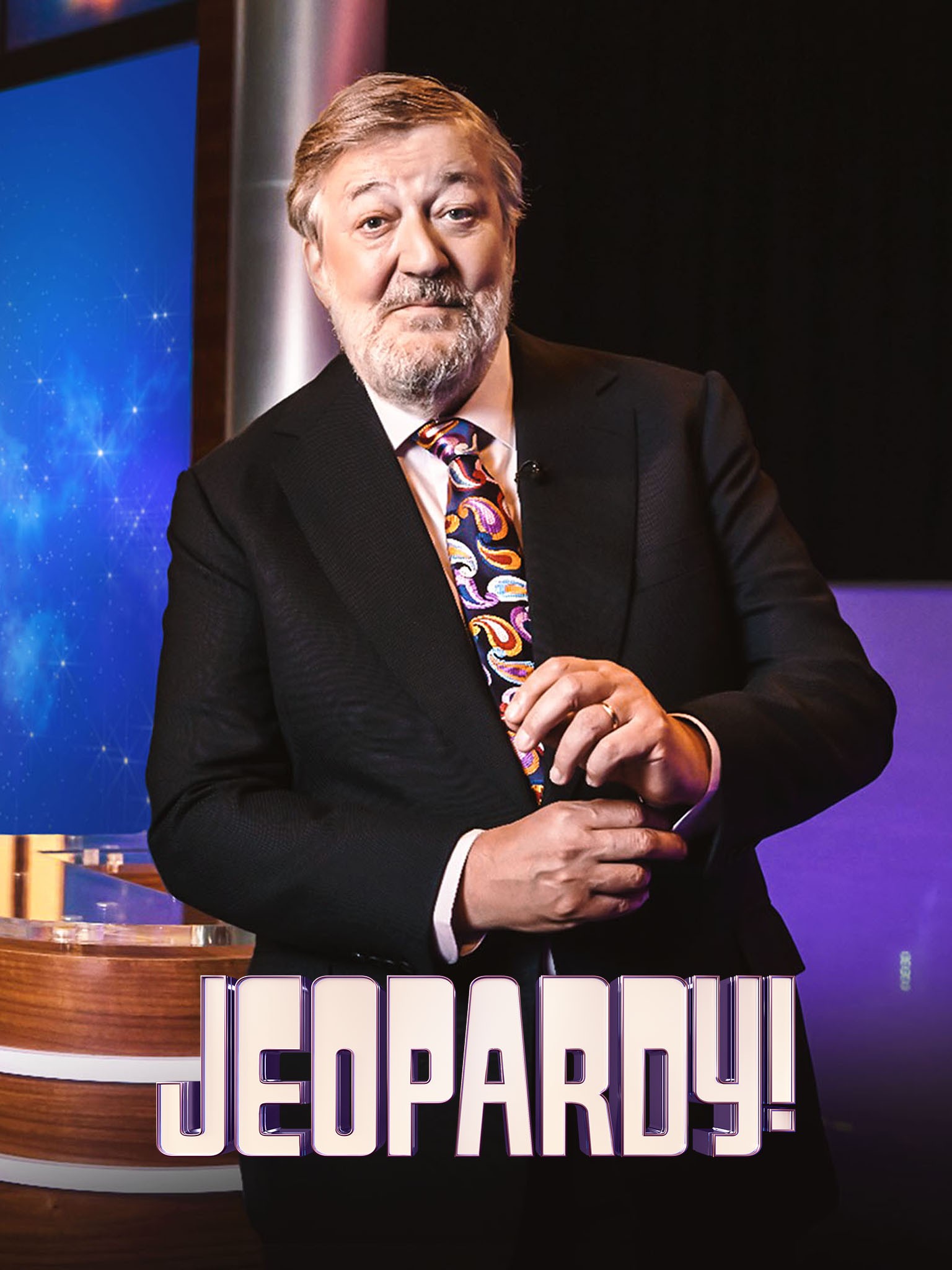 Jeopardy!(2024)
 Jeopardy! 25th Aniversary(2008)
 Jeopardy! DVD Game(2007)
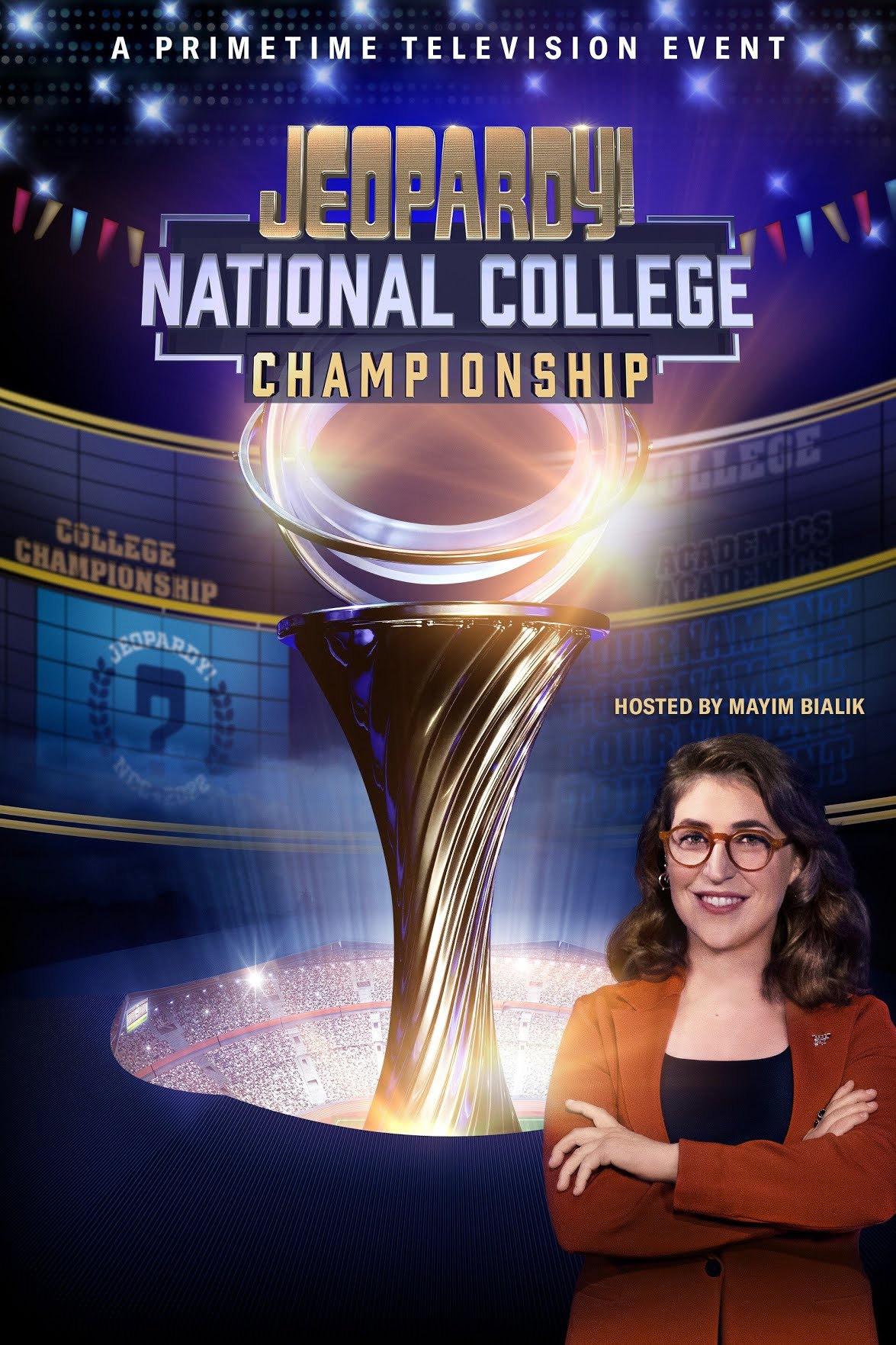 Jeopardy! National College Championship(2022)
 Adopt a Sailor(2008)
 American Masters(1985)
 Convergence(1999)
 Ratboy(1986)
 Eleanor the Great(2025)
 Mystery Science Theater 3000(2017)
 Morning Joe(2007)
 Britain's Got More Talent(2007)
 The Tonight Show Starring Jimmy Fallon(2014)
 George Carlin's American Dream(2022)as Self
 The Merv Griffin Show 1962-1986 (Best of)(2014)as Self - Host
 TV Land Moguls(2004)as Self - Host
 Trying to Get Good: The Jazz Odyssey of Jack Sheldon(2008)as Self
 Pioneers of Television(2008)as Self
 Mel Brooks: The 99 Year Old Man!(2026)as Self
 I'm Chevy Chase and You're Not(2025)as Self
 TV We Love(2025)as Self
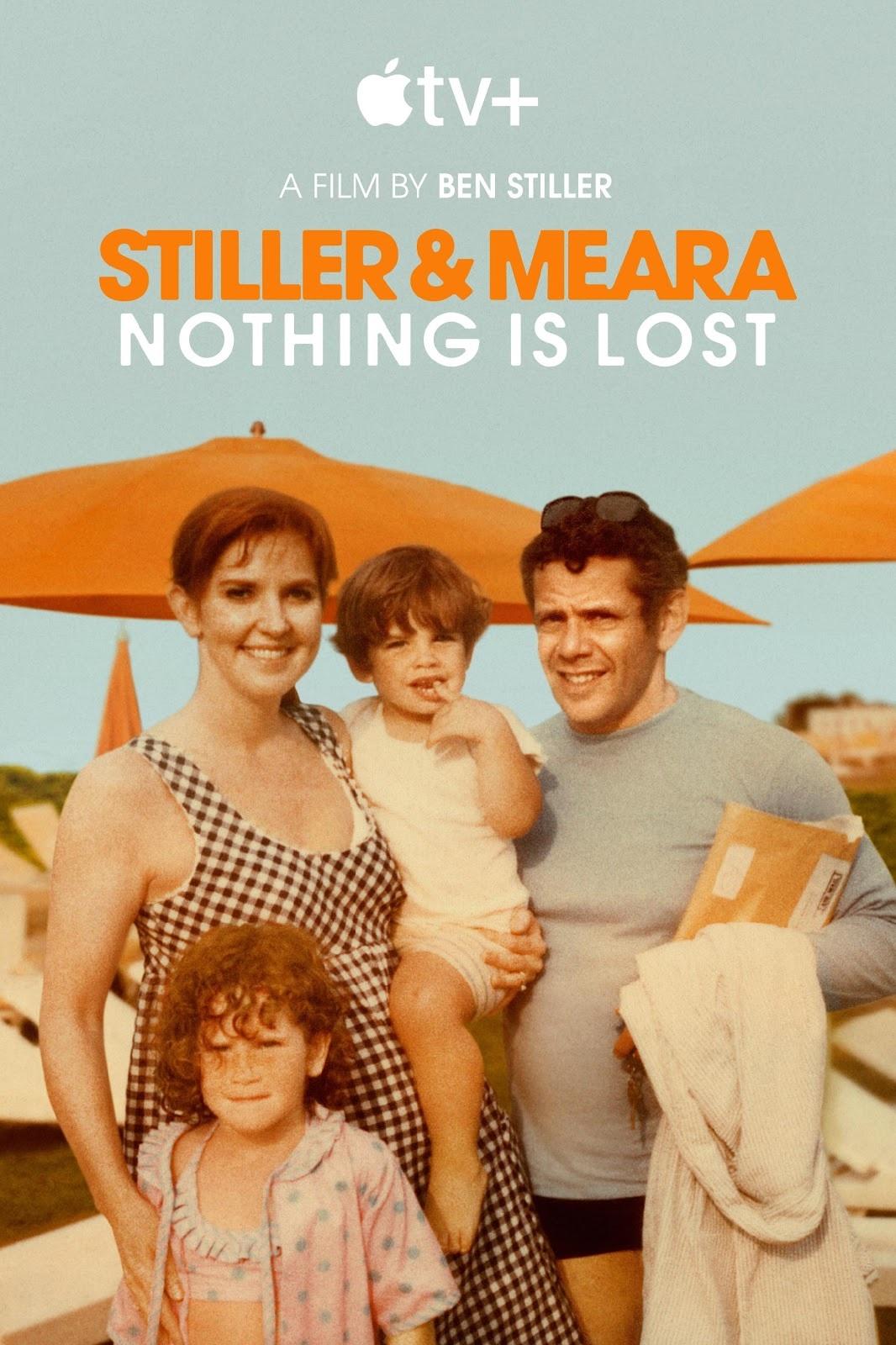 Stiller & Meara: Nothing Is Lost(2025)as Self - Host, The Merv Griffin Show
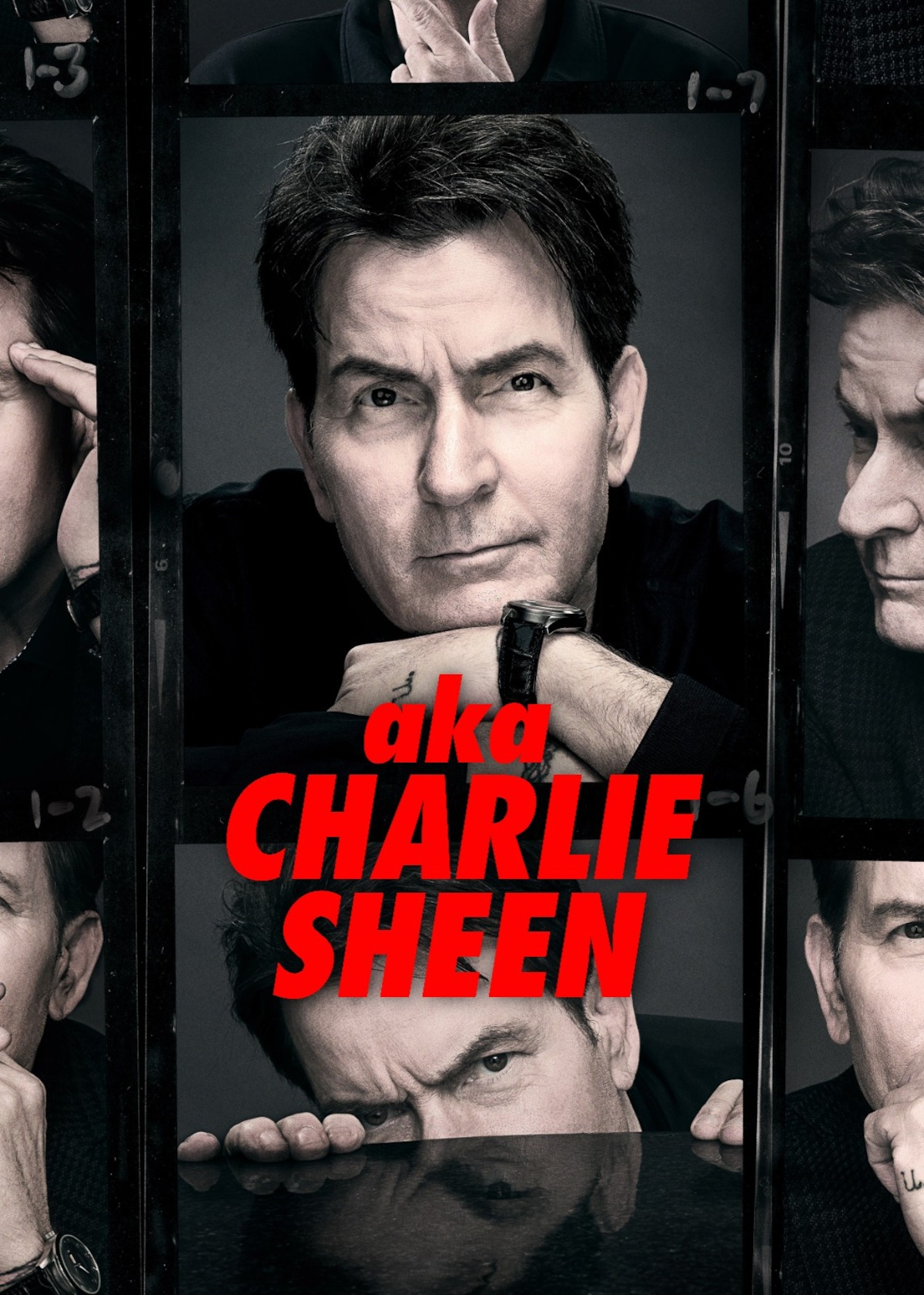 Aka Charlie Sheen(2025)as Self - Host, The Merv Griffin Show
 This Is Jeopardy! The Story of America's Favorite Quiz Show(2023)as Self


