Feisty, ebullient character comedienne who, for three decades,
enlivened Hollywood films with her drollery and quick-fire repartee.
The daughter of a newspaper editor and music critic, Ruth made her
stage debut in the chorus of the touring production 'The Quaker Girl'
in 1913. Four years later, she had made it to Broadway, playing a
telephone operator in
'The Scrap of Paper' at the Criterion Theatre.
She then appeared for ten months in the musical farce 'Going Up'
(1917-18), which starred
Frank Craven
and a young
Ed Begley. Some of her
biggest comic successes were in plays by
George M. Cohan, notably 'A Prince There
Was' (1918-19) and 'The Meanest Man in the World' (1920-21).
Ruth appeared on screen, first in a small part in
Rubber Heels (1927). Not until the
Wall Street crash of 1929 was she tempted to pursue a career in
Hollywood, rather than on Broadway. For most of her time in the movies,
she played acidulous secretaries, wisecracking friends of the heroine,
or shrewish wives. She gave excellent support as Mary Brian's
domineering mother in
Hard to Handle (1933) and was
excellent as
Edward G. Robinson's wife in
the Runyonesque comedy
A Slight Case of Murder (1938).
There were many other good roles as comedy relief from
Hands Across the Table (1935),
with
Carole Lombard to
Mr. Deeds Goes to Town (1936),with
Gary Cooper); and
Mr. Smith Goes to Washington (1939),with
James Stewart.. She was versatile
enough to handle dramatic roles, playing a worldly nun in
The Bells of St. Mary's (1945)
and one of the asylum inmates of
The Snake Pit (1948).
Except for a handful of TV guest appearances, Ruth essentially retired
after her last film,
The Way to the Gold (1957),
and lived for the remainder of her life at the Wellington Hotel in
Manhattan. She was for many years married to Basil de Guichard, an
airline executive.

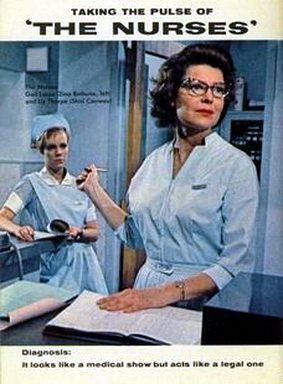 The Nurses(1962)as Mrs. Maloney
 Harris Against the World(1964)as Aunt Cora
 East Side/West Side(1963)as Mrs. Grevitch
 The Way to the Gold(1957)as Mrs. Williams
 Cavalcade of America(1952)as Mrs. Dolan
 A Slight Case of Murder(1938)
 Hard to Handle(1933)
 Busby Berkeley(1974)as Self
 The Imogene Coca Show(1954)as Self
 Breakdowns of 1944(1945)as Self
 How to Break 90 #6: Fine Points(1933)as Self
 Footlight Parade: Music for the Decades(2006)as Mrs. Harriet Gould
 Hollywood Out-takes and Rare Footage(1983)as Self


