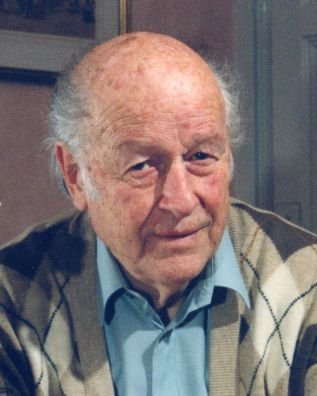
When it comes to motion-picture special effects, there is only one name
that personifies movie magic: Ray Harryhausen. From his debut films
with
George Pal to his final film, Harryhausen imbued magic and visual
strength to motion-picture special effects as no other technician has,
before or since.
Born in Los Angeles, the signature event in Harryhausen's life was when
he saw
King Kong (1933). So awed was the 13-year-old Harryhausen that he began
researching the film's effects work, ultimately learning all he could
about
Willis H. O'Brien and stop-motion photography--he even contacted O'Brien
and showed an allosaur short he made, which caused O'Brien to quip to
his wife, "You realize you're encouraging my competition, don't you?"
Harryhausen tried to make a stop-motion epic titled "Evolution," but
the time required to make it resulted in it being cut short. The
footage he completed--of a lumbering apatosaurus attacked by a
belligerent allosaurus--made excellent use as a demo reel, and as a
result, Harryhausen's first film job came with
George Pal, working on
the Puppetoon shorts for Paramount. A stint in the army utilized
Harryhausen's animation skills for training films.
After World War II, Harryhausen acquired over 1,000 feet of unused
military film and made a series of Puppetoon-flavored fairy tale
shorts, which helped him land a job with Willis H. O'Brien and
Marcel Delgado
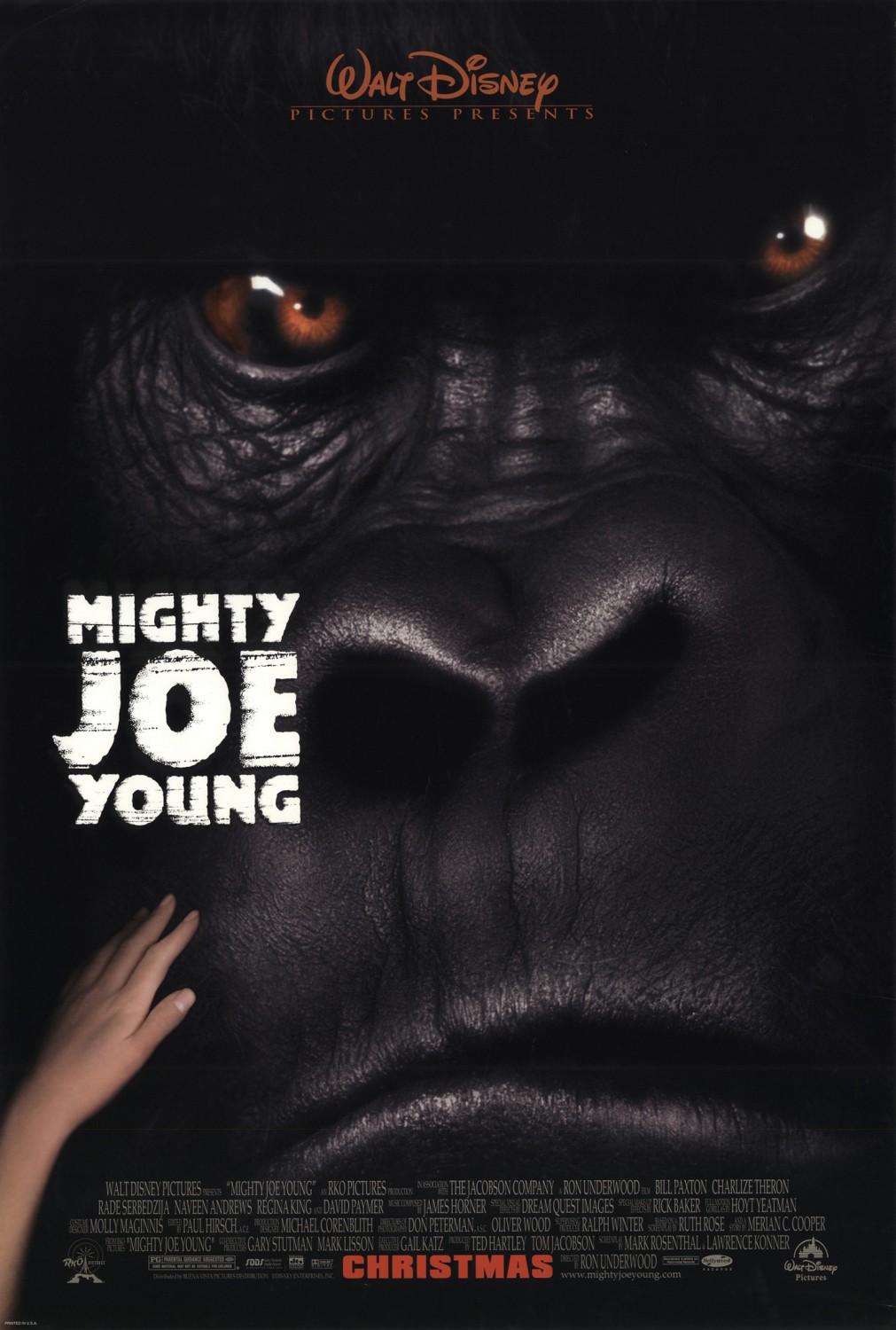
on
Mighty Joe Young (1949). Although O'Brien received credit for it, 85% of the actual
animation was done by Harryhausen. His real breakthrough,
however, came when he was hired to do the special
effects for
The Beast from 20,000 Fathoms (1953). The film's $200,000 budget meant that Harryhausen
was forced to improvise to get the kinds of quality effects he
wanted, and to that end, he learned a technique called split-screen
(rear projection on overlapping miniature screens) to insert dinosaurs
and other fantastic beasts into real-world backgrounds. The result was eventually picked up for release by Warner Bros. and was
one of the most influential sci-fi films of the 1950s.
From there, Harryhausen went over to Columbia and teamed with producer
Charles H. Schneer, which became synonymous among sci-fi and fantasy film
aficionados with top-notch special-effects work during the remainder of their
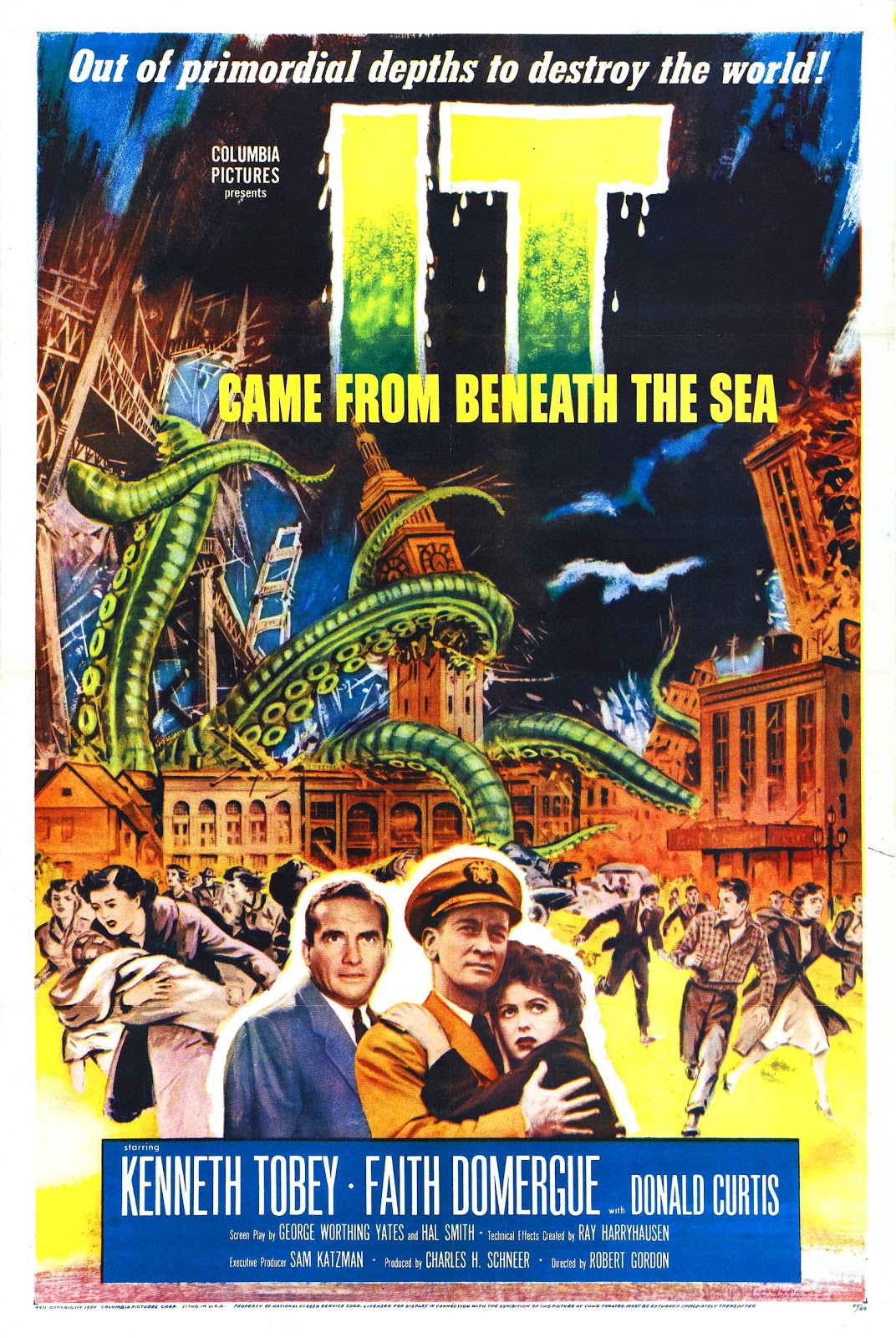
respective careers. After three sci-fi monster films and work with
Willis O'Brien on an
Irwin Allen documentary, Harryhausen did the effects
work for
The 7th Voyage of Sinbad (1958), his first split-screen film shot entirely in color,
which was highlighted by Harryhausen's mythological monsters
interacting with
Kathryn Grant,
Torin Thatcher's flavorful performance as the
villain, and the rousing score of
Bernard Herrmann.
Because Harryhausen worked alone on his stop-motion animation
sequences, the filming of these could often take as long as two years,
the most famous example of the kind of patience required being the
exciting skeleton sword fight sequence in
Jason and the Argonauts (1963) (his most popular
film), in which Harryhausen often shot no more than 13 frames of film
(just over one-half second of elapsed time) per day.
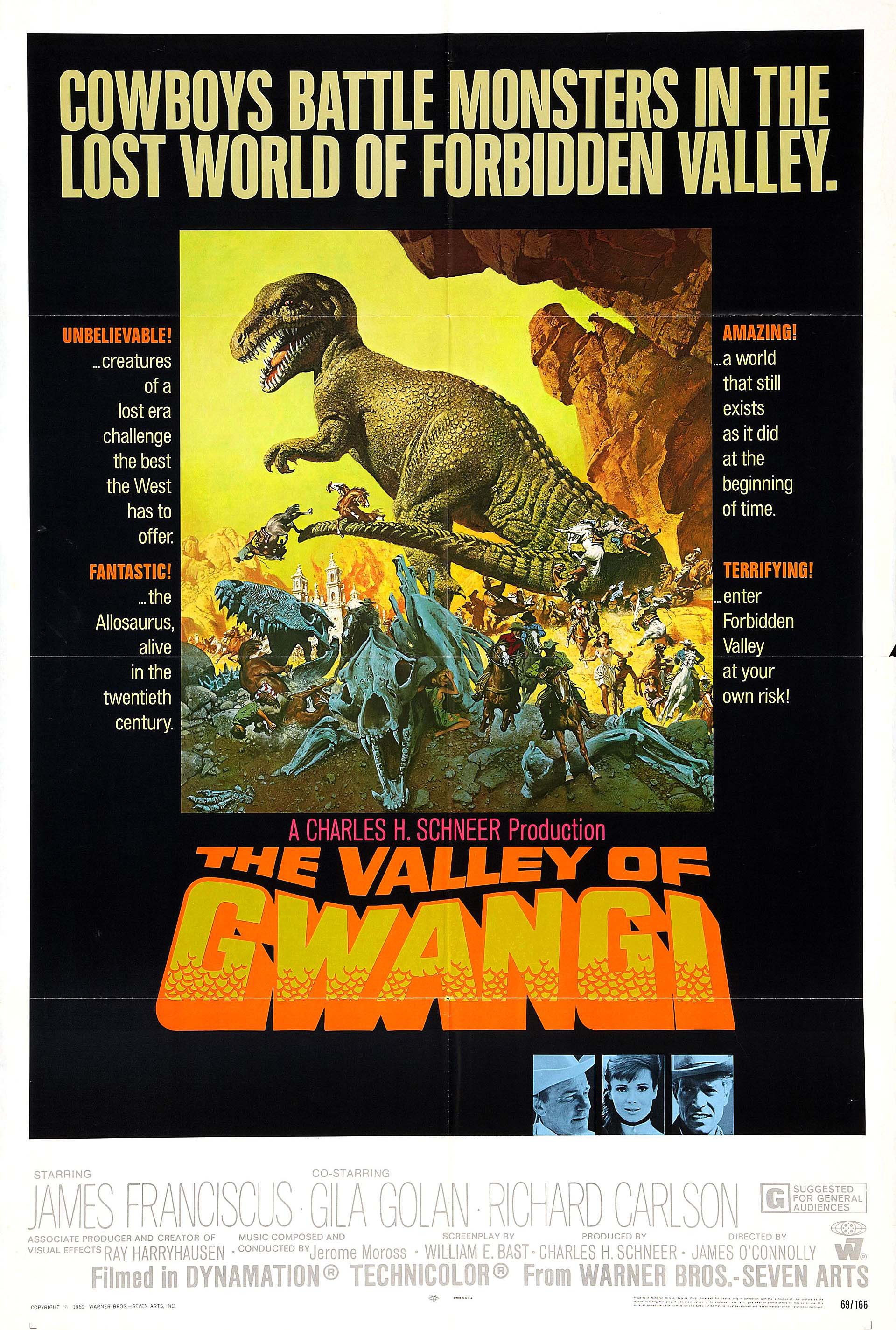
The 1960s were Harryhausen's best years, among the highlights being his
reunions with dinosaurs in Hammer Films'
One Million Years B.C. (1966) and
The Valley of Gwangi (1969). His pace
slowed in the 1970s, but he produced three of his masterworks during
that period:
The Golden Voyage of Sinbad (1973);
Sinbad and the Eye of the Tiger (1977); and
Clash of the Titans (1981). It was not until 1992 that
Harryhausen finally achieved film immortality with an honorary Oscar, a
long-overdue tribute to the one name that personifies visual
magic.
 Ray Harryhausen: The Early Years Collection(2005)
 The Story of 'The Tortoise & the Hare'(2002)
 The Story of King Midas(1953)
 The Story of 'Hansel and Gretel'(1951)
 The Story of 'Rapunzel'(1951)
 Sinbad and the Eye of the Tiger(1977)
 The Golden Voyage of Sinbad(1973)
 The 7th Voyage of Sinbad(1958)
 20 Million Miles to Earth(1957)
 Burke and Hare(2010)as Distinguished Doctor
 The Boneyard Collection(2008)as Ray Harryhausen (segment: Her Morbid Desires)
 Elf(2003)as Polar Bear Cub
 Mighty Joe Young(1998)as Gentleman at Party
 Beverly Hills Cop III(1994)as Bar Patron
 The Pit and the Pendulum(2007)
 Clash of the Titans(1981)
 The Story of Little Red Riding Hood(1949)
 Guadalcanal(1943)
 How to Bridge a Gorge(1942)
 Purana Purush(1978)
 It Came from Beneath the Sea(1955)
 The Beast from 20,000 Fathoms(1953)
 Mighty Joe Young(1949)
 The Valley of Gwangi(1969)
 Welcome to the Basement(2012)
 Earth vs. the Flying Saucers(1956)
 The Animal World(1956)
 The Sky Is Falling: Making 'the War of the Worlds'(2005)
 The Puppetoon Movie(1987)
 The 27th Day(1957)
 Danse Macabre(2022)
 Primordia(2021)
 Necro-Maniac(2020)
 The Rock Monster of Lingendar(2017)
 Long Live the King(2016)
 El hombre que quiso ser Segundo(2015)as Self
 The AckerMonster Chronicles!(2012)as Self
 MENTALLUSIONS: Radical Eclectic Films of Benjamin Meade(2012)as Self
 Ray Harryhausen: Special Effects Titan(2011)as Self - Filmmaker
 9th Annual Visual Effects Society Awards(2011)as Self
 Les Chroniques du Mea(2012)as Self
 Troldspejlet(1989)as Self
 The Oscars(2014)as Self - Visual Effects (In Memoriam)


