The Oscar-winning screenwriter, Ring Lardner, Jr., will always be known
for one of two things: that he was the son of one of the greatest
humorists American literature has produced, and he was one of the
Hollywood 10, the ten film-makers who refused to cooperate with the
House Un-American Activities Committee (HUAC) investigating subversion
in Hollywood and were fined and jailed for the defiance.
The son of newspaper sports columnist and best-selling writer
Ring Lardner, the future double Oscar
winner was born on August 19, 1915 in Chicago, Illinois. Ring, Sr. (who
was born Ringgold Wilmer Lardner) became famous for his "Saturday
Evening Post" series, "You Know Me Al", fictional letters being sent
from one baseball player to another. Mawell Perkins,
editor-extraordinaire at the publishing house, Charles Scribners & Son,
collected Lardner's columns and stories into publishable form
(
Ernest Hemingway, another Scribers
writer, was a great fan) and they were a great success. Such was
Lardner's renown, that 30 years after his death (while his son and
namesake was still officially blacklisted), he was the first
sportswriter inducted into the Baseball Hall of Fame in Cooperstown,
New York, for meritorious contributions to baseball writing, in 1963.
On his part, Ring, Jr. became a reporter for the "New York Daily
Mirror" after dropping out of Princeton. He moved West and became a
publicist for producer
David O. Selznick, where he met his
future wife, who also worked for the producer. He also worked as a
script doctor for Selznik, then went on to become a screenwriter, often
working in collaboration.
During the Spanish Civil War, Lardner moved steadily left in his
political thinking, and helped raise funds for the Republican cause. He
joined the Communist Party and became involved in organizing
anti-fascist demonstrations. Although his leftist politics were known
to the studios, in the 1930s and early
'40s, Hollywood did not shy away from hiring talented writers no matter what their political proclivities, and employed many known (as well as secret) communists.
In 1943, he and
Michael Kanin
won the Oscar in 1942 for their
Woman of the Year (1942)
screenplay. He wrote such great pictures as
Laura (1944) for
Otto Preminger and, in 1947, 20th Century
Fox gave him a contract at $2,000 a week, making him one of the highest
paid scribes in La-La Land. Ironically, at the time of this seeming
triumph, his career and life were about to unravel.
When it was Lardner turn to be hauled before HUAC and asked, "Are you
now or have you ever been a member of the Communist Party of the United
States?", he came up with a witty riposte.
"I could answer the question exactly the way you want, but if I did, I
would hate myself in the morning". After the appeals process against
HUAC's citations for contempt of Congress played out, Lardner was
sentenced to a year in prison and fined. More importantly, he was
blacklisted and could not find work in Hollywood except under
pseudonyms for work "fronted" by others. After the blacklist was
officially broken when Preminger hired
Dalton Trumbo to adapt
Leon Uris's novel "Exodus" for his 1960
production (
Kirk Douglas then
immediately hired Trumbo to write a screenplay for his upcoming
Spartacus (1960)), the blacklisted
writers slowly returned to work under their own names. Lardner was
hired by producer
Martin Ransohoff, who
respected writers more than did the average Hollywood producer, to
write the screenplay for
The Cincinnati Kid (1965)
under his own name. His comeback was complete when, in 1971, he won his
second Oscar for adapting
Robert Hooker's comic novel,
"M*A*S*H" (1970) (ironically, due to director
Robert Altman's improvisational
style, little of Lardner's dialogue remained in the movie). His career,
though, had been effectively aborted by the blacklist, and he only was
credited with two more screenplays during his lifetime.
Ring Lardner, Jr. was the last of the Hollywood 10 to die, passing away
on Halloween, October 31, 2000, in New York City from cancer. He was 85
years old and had long outlived most of the witch-hunters who had
tormented him. He was survived by his wife,
Frances Chaney, and five
children.
 The Hollywood Ten(1950)
 Robin Hood: The Movie(1991)
 Semi-Tough(1977)
 The Greatest(1977)
 Lady Liberty(1971)
 Enlisted: The Story of 'M*A*S*H'(2000)
 Altman on His Own Terms(2000)
 Culture Shock(2000)as Self
 Biography(1987)as Self
 E! Mysteries & Scandals(1998)as Self
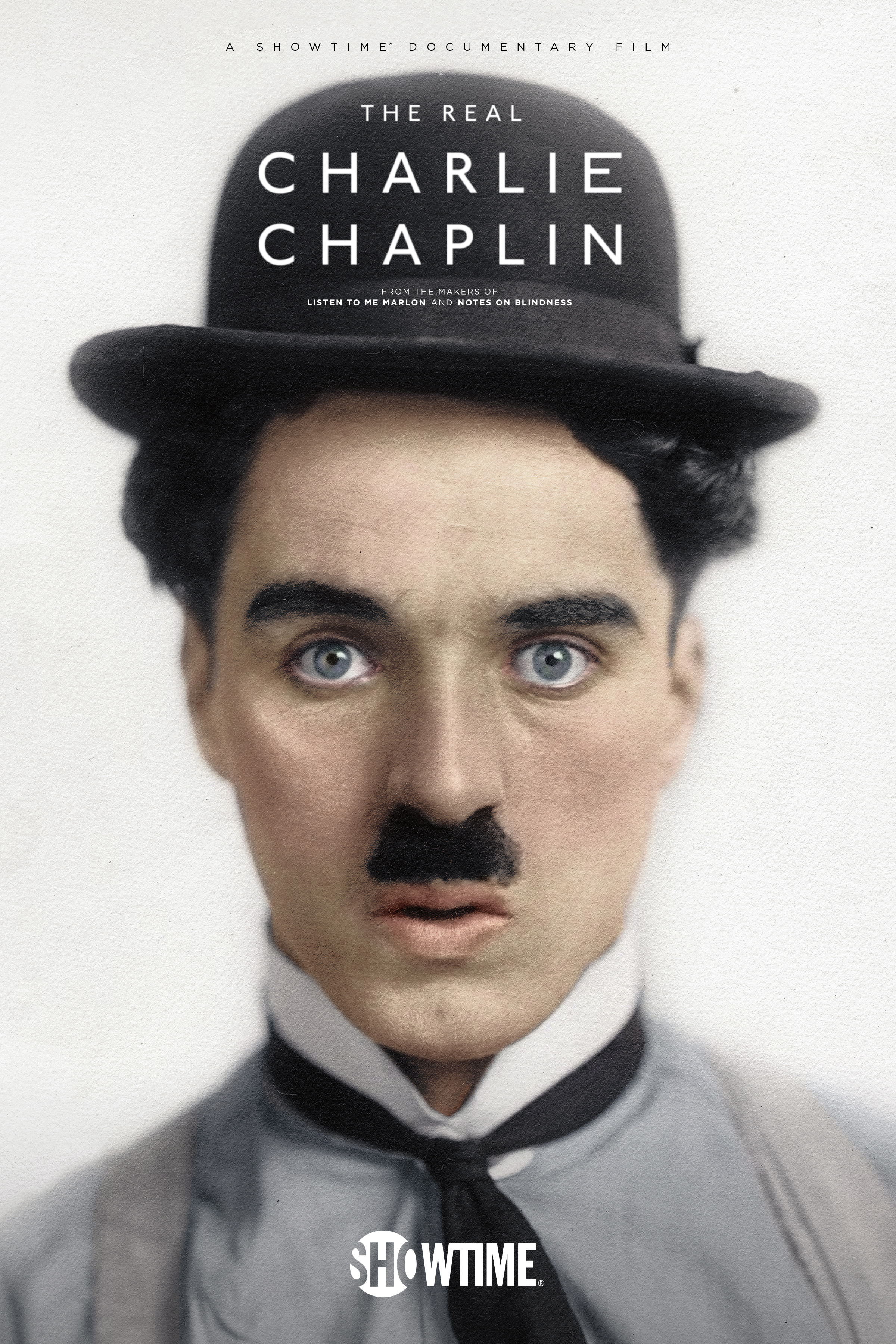 The Real Charlie Chaplin(2021)as Self
 The Movies(2019)as Self - Screenwriter, Woman of the Year
 America in Color(2017)as Self
 Reagan(2011)as Self
 Hollywood contra Franco(2008)as Self