Most remembered for his extravagant costumes and trademark candelabra
placed on the lids of his flashy pianos, Liberace was loved by his
audiences for his music talent and unique showmanship. He was born as
Wladziu Valentino Liberace on May 16, 1919, into a musical family, in
Wisconsin. His mother,
Frances Liberace
(née Zuchowski), whose parents were Polish, played the piano. His
father, Salvatore Liberace, an immigrant from Formia, Italy, played the
French horn for the Milwaukee Symphony. His siblings,
George Liberace,
Angie Liberace and
Rudy Liberace, also had musical ability.
Liberace's own extraordinary natural talent became evident when he
learned to play the piano, by ear, at the age of four. Although
Salvatore tried to discourage his son's interest in the piano, praises
from
Ignacy Jan Paderewski, a
famous Polish pianist, helped the young musician follow his musical
career.
As a teenager, Liberace earned wages playing popular tunes at movie
theaters and speakeasies. Despite being proud of his son's
accomplishments, Salvatore strictly opposed Liberace's preference for
popular music over the classics. Pianist Florence Bettray Kelly took
control of Liberace's classical training when he was 14.
He debuted as a soloist with the Chicago Symphony, under the direction
of Dr. Frederick Stock. At age 17, Liberace joined the Works Progress
Administration Symphony Orchestra. He received a scholarship to attend
the Wisconsin College of Music. In 1939, after a classical recital,
Liberace's audience requested the popular tune, "Three Little Fishes".
Liberace seized the opportunity and performed the tune with a
semi-classical style which the audience loved. Soon, this unique style
of playing the piano got Liberace bookings in large nightclubs.
By 1940, Liberace was traveling with his custom-made piano, on top of
which he would place his candelabrum. He then took Paderewski's advice
and dropped Wladziu and Valentino to become simply Liberace.
South Sea Sinner (1950), a movie
with
Shelley Winters, was Liberace's
film debut. He played a honky tonk pianist in the movie, which opened
in 1950.
In 1952,
The Liberace Show (1952), a
syndicated television program, turned Liberace into a musical symbol.
It began as a summertime replacement for
The Dinah Shore Show (1951),
but after two years, the show was one of the most popular on TV. It was
carried by 217 American stations and could be seen in 20 foreign
countries. Sold-out live appearances at Madison Square Garden enhanced
the pianist's popularity even more. Soon, Liberace added flamboyant
costumes and expensive ornaments to his already unique performances.
His second movie,
Sincerely Yours (1955), opened in
1955, and Liberace wrote his best-selling autobiography, "Liberace", in
1972. His first book, "Liberace Cooks", went into seven printings.
In 1977, Liberace founded the non-profit "Liberace Foundation for the
Performing and Creative Arts". The year 1978 brought the opening of
"The Liberace Museum" in Las Vegas, Nevada, which serves as key funding
for the Liberace Foundation. The profits from the museum provide
scholarship money for financially needy college musicians. He continued
performing until the fall of 1986, despite suffering from heart disease
and emphysema during most of the 1980s. A closeted homosexual his
entire life, Liberace was secretly diagnosed with AIDS sometime in
August 1985, which he also kept secret from the public until the day he
died. His last concert performance was at Radio City Music Hall on
November 2, 1986. He passed away in his Palm Springs home on February
4, 1987 at age 67.
Liberace was bestowed with many awards during his lifetime including:
Instrumentalist of the Year, Best Dressed Entertainer, Entertainer of
the Year, two Emmy Awards, six gold albums, and two stars on the
Hollywood Walk of Fame. In The Guinness Book of World Records, he has
been listed as the world's highest paid musician and pianist. Liberace
was an extremely talented and versatile man. He not only played the
piano, but sang, danced and joked during his performances. In fact, one
of Liberace's biggest accomplishments was his ability to turn a recital
into a show full of music, glitter and personality.

 Liberace's Holiday Specials: Celebrating Easter, Mother's Day, & a Bonus Show!(1985)
 Special People(1984)as Liberace
 Hotel(1983)as Liberace
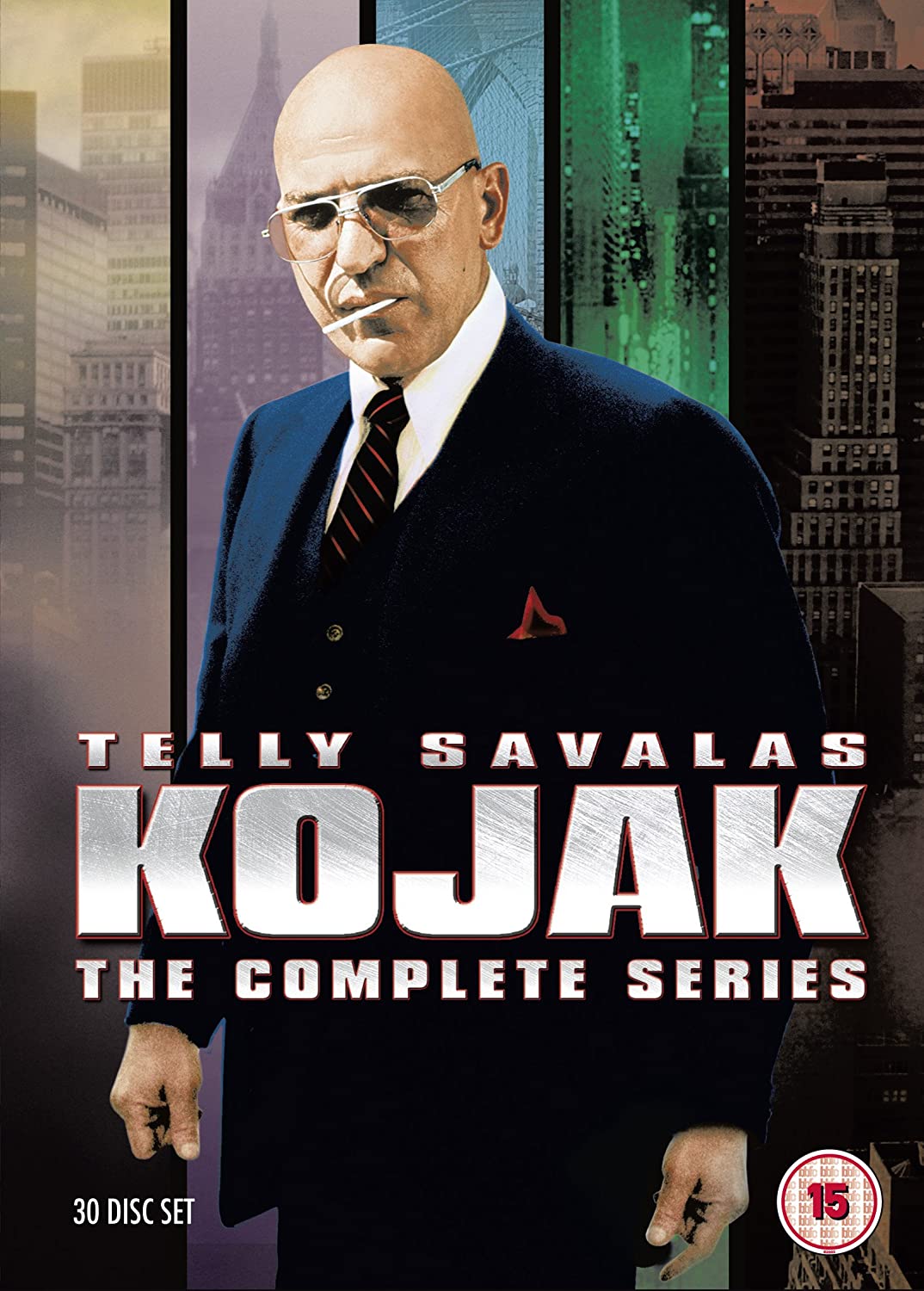 Kojak(1973)as Liberace
 Best Foot Forward(1943)
 The end(2022)
 Look Me Over: Liberace(2021)
 The Marvelous Mrs. Maisel(2017)
 Lucky(2017)
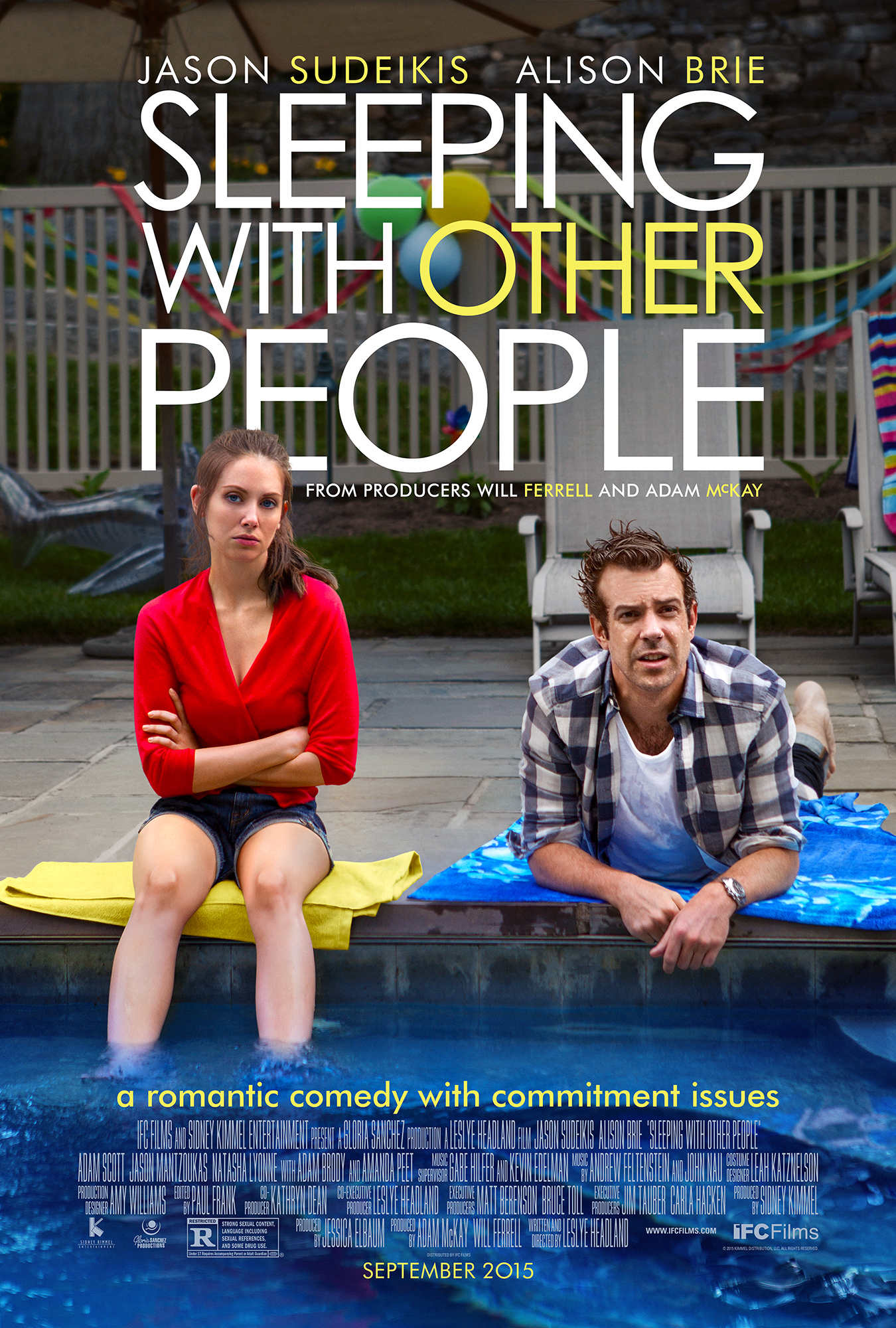 Sleeping with Other People(2015)
 Lipstick on Your Collar(1993)as Self
 The Oprah Winfrey Show(1986)as Self - Guest
 Good Morning America(1975)as Self
 The Tonight Show Starring Johnny Carson(1962)as Self - Guest, Self, Self - Musical Guest, Self - Guest Host
 Sally Jessy Raphael(1983)as Self
 Hulk Hogan: Real American(2026)as Self
 Good Night, and Good Luck(2025)as Self
 WWE's Greatest Moments(2025)as Self
 60 Minutes(1968)as Self
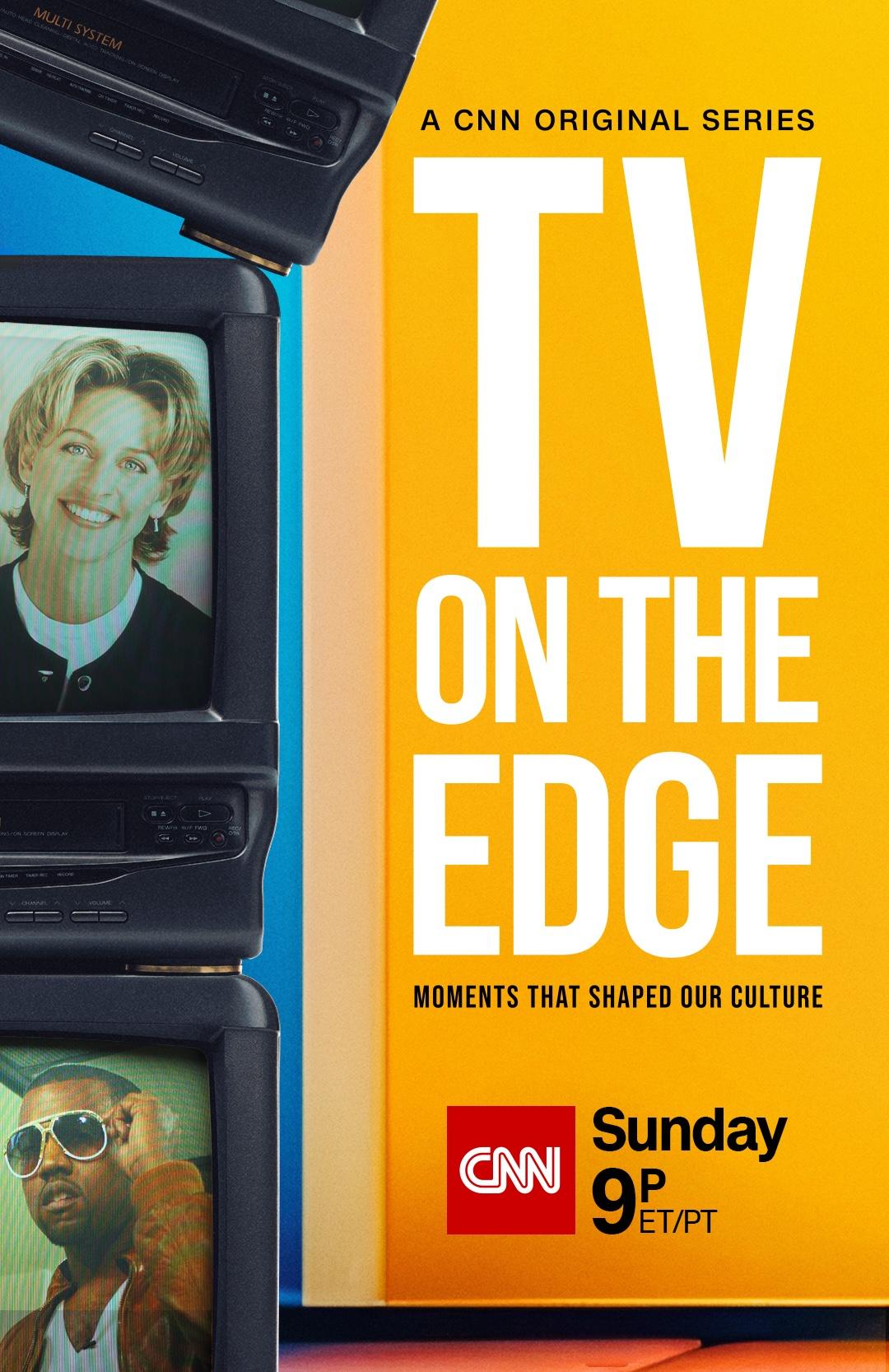 TV on the Edge: Moments That Shaped Our Culture(2024)as Self


