Classic comedienne
Zasu Pitts, of the timid, forlorn blue eyes and trademark woebegone vocal pattern and fidgety hands, was born to Rulandus and Nellie (Shay) Pitts, the third of four children on January 3, 1894. Her aged New York-native father, who lost a leg back in the Civil War era, had settled the family in Kansas by the time ZaSu was born but relocated to Santa Cruz, California, when she was 9, seeking a warmer climate and better job opportunities. She attended Santa Cruz High and somehow rose above her excessively shy demeanor to join the school's drama department. She went on to cultivate what was once deemed her negative qualities by making a career out of her unglamorous looks and wallflower tendencies in scores and scores of screwball comedy treasures.
Pitts made her stage debut in 1915 and was discovered two years later by pioneer screenwriter
Frances Marion, who got her work, though in small, obscure parts, in vehicles for such Paramount stars as
Douglas Fairbanks and
Mary Pickford. Mary cast her in another of her films to greater effect and the rest is history. She grew in popularity following a series of Universal one-reeler comedies and earned her first feature-length lead in
King Vidor's
Better Times (1919). She met and married matinée idol
Tom Gallery in 1920 and paired up with him in several films, including
Bright Eyes (1921),
Heart of Twenty (1920),
Patsy (1921), and
A Daughter of Luxury (1922).
Their daughter Ann was born in 1922. In 1924 the actress, now a reputable comedy farceur, was given the greatest tragic role of her career in
Erich von Stroheim's epic classic
Greed (1924), an over-four-hour picture cut down by the studio to less than two. The surprise casting initially shocked Hollywood but showed that she could draw tears and pathos as well as laughs with her patented doleful demeanor. The movie has grown tremendously in reputation over time, although it failed initially at the box office due to its extensive cutting.
Trading off between comedy shorts and features, she earned additional kudos in such heavy dramas as
Sins of the Fathers (1928),
The Wedding March (1928), also helmed by Von Stroheim, and
War Nurse (1930). Still, by the advent of sound, which was an easy transition for Pitts, she was fully secured in comedy. One bitter and huge disappointment for her was when she was replaced in the war classic
All Quiet on the Western Front (1930) by
Beryl Mercer after her initial appearance drew unintentional laughs from preview audiences. She decided, however, to make the most of a not-so-bad situation. She had them rolling in the aisles in such wonderful and wacky entertainment as
The Dummy (1929),
Finn and Hattie (1931),
The Guardsman (1931),
Blondie of the Follies (1932),
Sing and Like It (1934), and
Ruggles of Red Gap (1935). She also excelled deliciously in her comedy partnerships with stunning blonde comedienne
Thelma Todd (in short films) and gangly comedian
Slim Summerville (in features).
Breezing through the 1940s in assorted films, she found work in vaudeville and on radio as well, trading quivery banter with
Bing Crosby,
Al Jolson, and
Rudy Vallee, among others. She also tackled Broadway, making her debut in the mystery "Ramshackle Inn" in 1944. The play, which was written especially for her, fared quite well and, as a result, took the show on the road frequently in later years. Postwar films continued to give Pitts the chance to play comic snoops and flighty relatives in such quality fare as
Life with Father (1947), but into the 1950s she started focusing on TV. This culminated in her best known series role, playing second banana to cruise line social director
Gale Storm in
The Gale Storm Show: Oh! Susanna (1956) [aka "Oh, Susannah"]. As Nugie, the shipboard beautician and partner-in-crime, she made the most of her timid, twitchy mannerisms.
Sadly, ill health dominated Pitts' later years when she was diagnosed with cancer in the mid-1950s. She bravely carried on, continuing to work until the very end, making brief appearances in
The Thrill of It All (1963) and the all-star comedy epic
It's a Mad, Mad, Mad, Mad World (1963). Having married a second time after her divorce from Gallery, the beloved sad sack comedienne passed away at age 69 on June 6, 1963, leaving behind a gallery of scene-stealing worrywarts for all to enjoy.

 It's a Mad, Mad, Mad, Mad World(1963)as Gertie
 Burke's Law(1963)as Mrs. Bowie
 The Thrill of It All(1963)as Olivia
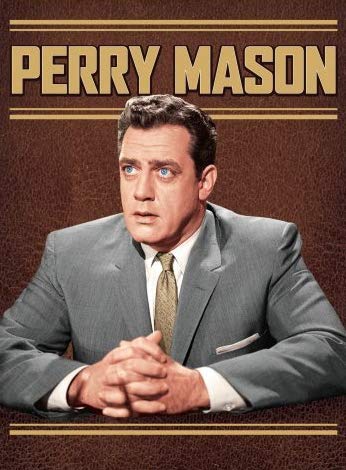 Perry Mason(1957)as Daphne Whilom
 Teenage Millionaire(1961)as Aunt Theodora
 Sing Me a Love Song(1936)
 Mrs. Wiggs of the Cabbage Patch(1934)
 Sing and Like It(1934)
 Honey(1930)
 Here's Hollywood(1960)as Self
 About Faces(1959)as Self
 Disneyland '59(1959)as Self
 The Spike Jones Show(1954)as Self
 Compression(1995)as Self
 Hollywood maudit(2020)as Self
 The Green Fog(2017)as Trina Sieppe
 Hollywoods Spaßfabrik - Als die Bilder Lachen lernten(2014)
 The Radio Broadcast Vault(2018)as Prunella Judson


