A successful child actor (on stage from 1907) and rather less
successful romantic lead, baby-faced Norman Taurog found being behind
the camera a more rewarding experience. Before becoming a director, he
paid his dues as a prop man and editor. By 1919, he was put in charge
of two-reel comedies, starring the comic
Larry Semon. These films were made on the
East Coast and it was not until 1926, that Taurog moved to Hollywood.
His directing career really took off with the coming of sound, and he
soon acquired a reputation as a specialist in light comedy. He also
developed a singular penchant for working with children, often giving
them chocolate rewards for good acting. They, in turn, called him
'Uncle Norman'. Taurog became the youngest-ever director to win an
Oscar. This was for the film
Skippy (1931), which featured child actor
Jackie Cooper, his real-life
nephew.
Taurog was under contract at Paramount from 1930 to 1936. The
pick-of-the-bunch among his films - and a solid box office hit - was
Mrs. Wiggs of the Cabbage Patch (1934),
starring the noted stage actress
Pauline Lord, comedienne
Zasu Pitts and the irrepressible,
idiosyncratic
W.C. Fields. On loan to
David O. Selznick, he also did justice
to
Mark Twain by creating just the right
atmosphere for
The Adventures of Tom Sawyer (1938),
eliciting a strong performance from
Jackie Moran in the role of Huck
Finn. Initial footage had been in black & white, but Taurog discarded
this and re-shot the film in Technicolor, which worked particularly
well with art director
Lyle R. Wheeler.
After a stint with Fox (1936-37), Taurog then had his best (and
longest) spell with MGM (1938-51). His A-grade assignments for the
studio included the iconic
Boys Town (1938), the exuberant
Broadway Melody of 1940 (1940)
and the thoroughly entertaining
Judy Garland musical
Presenting Lily Mars (1943),
based on a best-selling novel by
Booth Tarkington. In 1952, he returned
to Paramount, where he was utilised on the strength of his proven
ability to make films economically and on time. Taurog made the most
out of the feather-light scripts he was handed for a string of comedies
with
Dean Martin and/or
Jerry Lewis. He was also a favorite
of
Elvis Presley, directing in total nine
of his films.
As the law of diminishing returns applied, Taurog retired in 1968. He
later taught at the University of California School of Cinema and
remained a board member of the Director's Guild. He became blind
towards the end of his life, but for his last years served as director
of the Braille Institute in Los Angeles.

 Live a Little, Love a Little(1968)
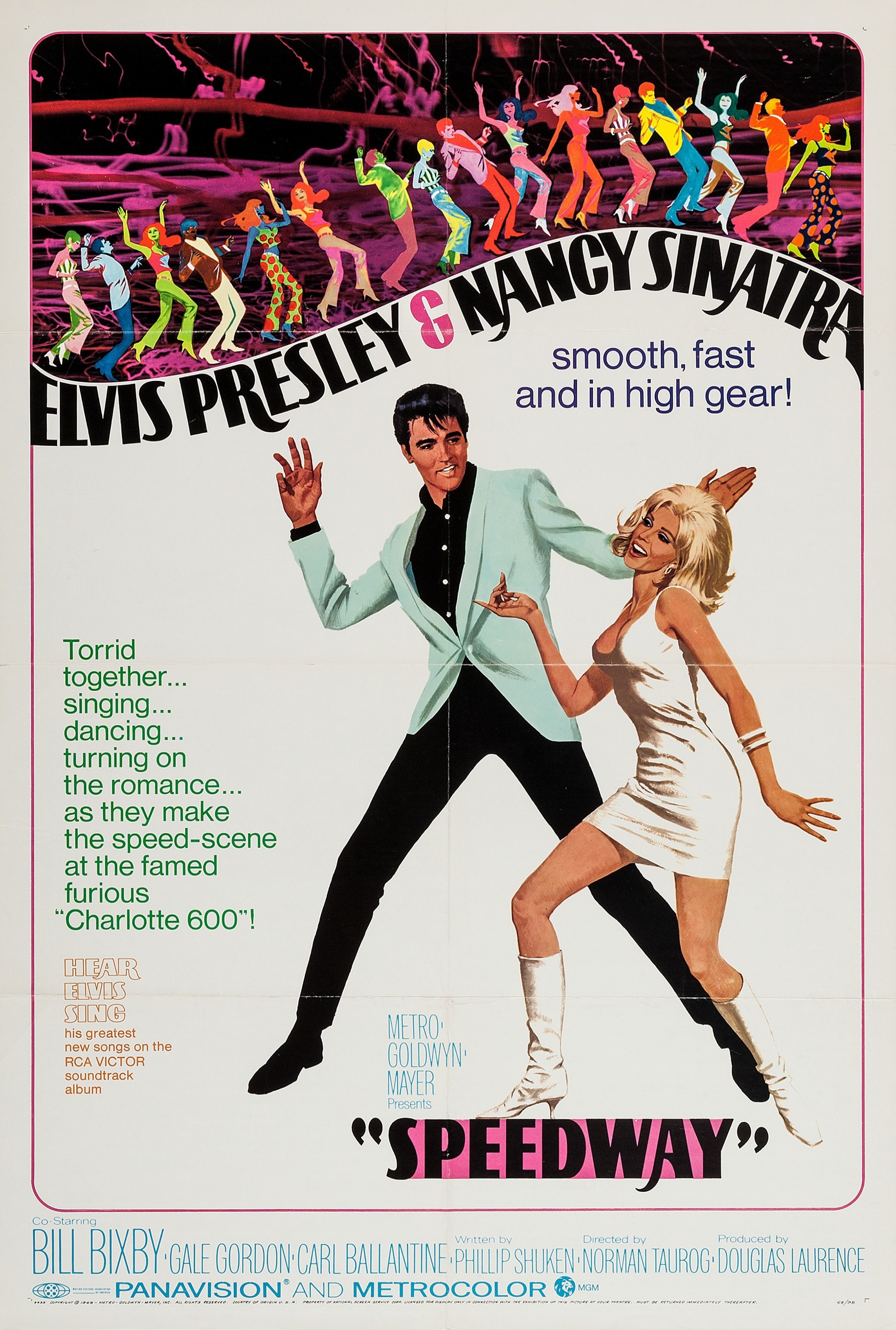 Speedway(1968)
 Double Trouble(1967)
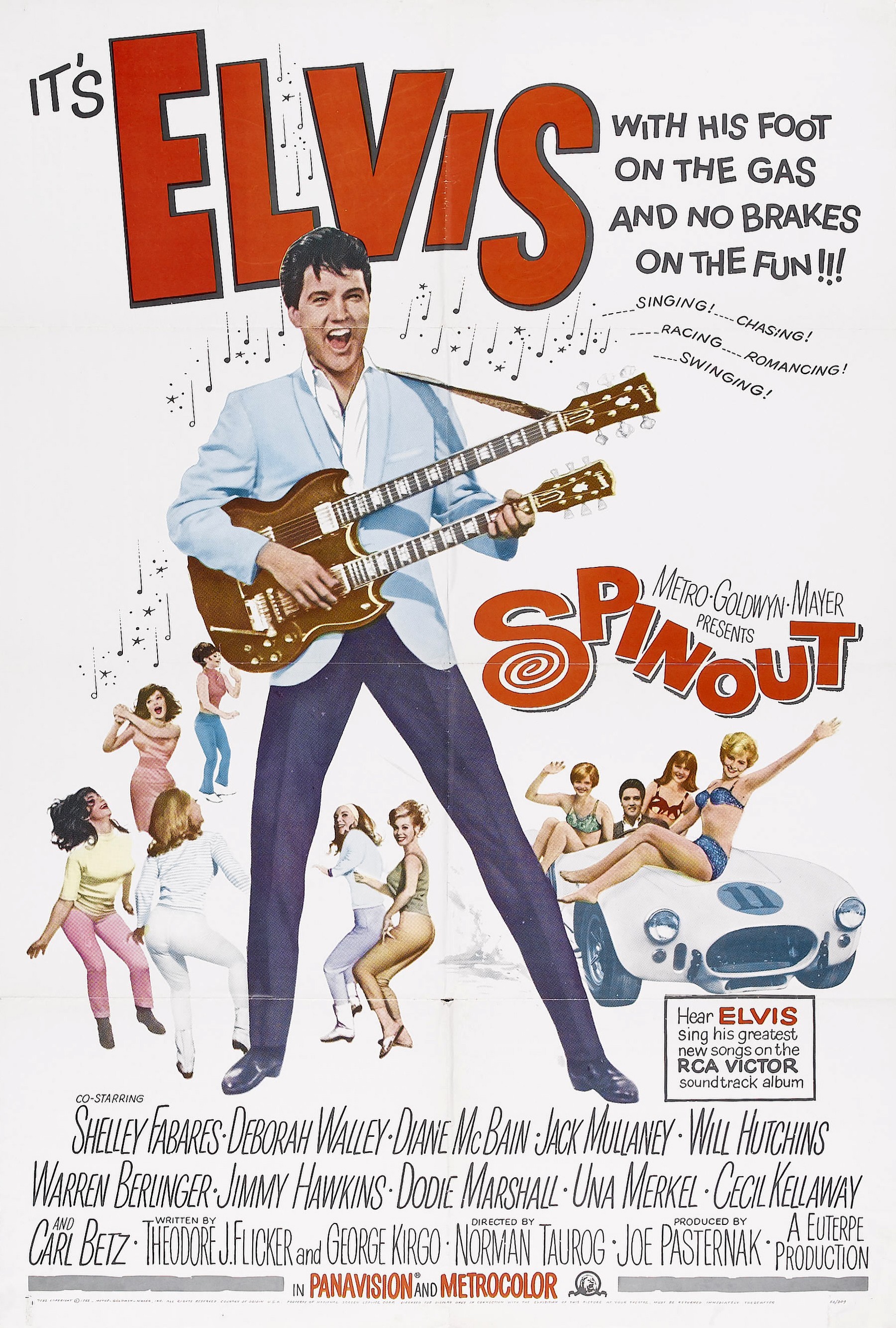 Spinout(1966)
 Dr. Goldfoot and the Bikini Machine(1965)
 Listen Children(1928)
 A Home-Made Man(1928)
 The Fly Cop(1920)as Bit Part
 Tangled Relations(1912)as One of the Children
 Girl Crazy(1932)
 Rationing(1944)
 Billy the Kid(1941)
 Those Were the Days(1980)
 That's Entertainment, Part II(1976)
 This Is Your Life(1950)as Self, Self - Guest
 Hollywood Rhythm(1934)as Self
 A Life in Words and Music(2007)as Self
 Begin the Beguine(2003)as Self
 This Is Elvis(1981)as Self
 American Masters(1985)as Self - Director


