Kenneth Tynan was one of the most famous theatrical critics of the 20th
Century. He earned his own permanent place in the history of the
English theater when he became the first dramaturg of
Laurence Olivier, when the great actor
finally realized his dream and became the director of the new National
Theatre. Tynan's tenure at the National proved controversial, and he
was forced to resign after championing Rolf Hochuth's play "Soldaten"
("Soldiers"), which essentially accused
Winston Churchill, the wartime
Prime Minister, of complicity in the murder of Free Poland's head of
state, General Sikorsky. (After the collapse of the Soviet Union and
the opening of the secret files of Soviet intelligence agencies, it
generally is assumed that Skiorsky was assassinated by the Soviets.)
Born Kenneth Peacock Tynan in Birmingham, England on April 2, 1927, the
illegitimate son of Sir Peter Peacock, the former mayor of Warrington,
who was leading a double life with his mistress and assumed the name of
Tynan. (His son did not find out the truth until his father's death in
1948). While at Oxford, he acted and produced play and won a reputation
as a brilliant pubic speaker at the Oxford Union. He also edited and
contributed to college magazines. In 1952, The London Evening Standard
newspaper hired the 25-year old Tynan as a theater critic. He wasted no
time in establishing a reputation for himself of recklessness,
boldness, and iconoclasm. He moved over to The Observer in 1954, and it
there that he played a key role in the revolution of the London theater
that began in the 1955-1956 theater season, with the debut of
John Osborne's watershed play
Look Back in Anger (1959). He
also championed Franco-Irish absurdist
Samuel Beckett's masterpiece "Waiting for
Godot". But it was Osbourne's play that, overnight, made the English
theater that immediately preceded it old-fashioned and out-of- date,
making such popular playwrights
Terence Rattigan seem almost obsolete.
From his pulpit at The Observer, Tynan espoused the theatrical realism
of the group of playwrights that became known as The Angry Young Men
(and whose works were derided by the proponents of a more genteel
theater as "kitchen sink drama"). Laurence Olivier, keen to not let
fashion slip by him and become a living relic himself, became a convert
to The Angry Young Man school, partly through Tynan's criticism and
partly through the praise of
Arthur Miller, with whom he had
seen "Look Back in Anger" at the theater. Olivier approached Osbourne,
who wrote "The Entertainer" -- one of Olivier's greatest roles -- for
the theatrical knight.
In 1963, when Olivier was named artistic director at the
state-subsidized National Theatre, he appointed Tynan dramaturg, or
literary adviser. Tynan had recommended himself for the job. After the
appointment, Tynan left The Observer for the National Theatre, where he
established an international reputation for himself. He had been
contributing pieces to The New Yorker since 1958, but during the '60s,
he became one of the most influential people working in the
English-language theater, welcomed on both sides of The Pond.
In many ways, Tynan was at the right place at the right time. He wanted
to overturn censorship and extend the boundaries of speech, and the
1960s were a propitious time for iconoclasts. He has the distinction of
being the first person to use the "f"-word on English television, on a
November 13, 1965, BBC broadcast of a live TV debate. The incident
caused a public outcry and condemnation in Parliament. One biographer
said that his use of the word was "his masterpiece of calculated
self-publicity". The BBC had to issue a formal apology, and the fallout
from the notoriety eventually hurt Tynan's career as he was banned from
British TV.
Tynan had gotten The Observer to publish an "obscene" word in 1960, and
by 1969, he was prepared to branch out into pornography, in the spirit
of the times which saw
Tom O'Horgan and others in
the UK and America introduce nudity on stage. Thus, his musical
production of "Oh! Calcutta!" can be seen as part of his campaign
against censorship and his taboo-breaking propensity for expanding
expression. "Oh! Calcutta!", a kind of erotic revue featuring scenes
written by such authors as Beckett and
John Lennon, featured music and
dance, but the selling point to the public was that its performers,
both male and female, were often nude. The show ran for decades, though
Tynan himself made only about $250,000 from it.
In the new decade of the 1970s, Tynan adapted (along with director
Roman Polanski), Shakespeare's of
Macbeth (1971)
for producer
Hugh Hefner of Playboy
Magazine fame. The movie, before its release, became notorious for nude
witches and a sleep-walking scene in the buff by Lady Macbeth. When it
was finally screened, the movie was attacked more for its graphic
violence than its nudity, which was modest. This version of The
Scottish Play (so-called as the play is supposed to bring bad luck to
actors who mention its name) made Tynan even more notorious, and his
position at the National Theatre became even more precarious. He quit
in 1972, while Olivier, who had supported his dramaturg in the
"Soldaten" episode and others to the detriment of his position with the
toffs who oversaw the NT, followed him in 1973.
Tynan's position in England deteriorated, as the vitality that had
infused British and theater and film for a generation after the Suez
Crisis had waned by Edward Heath's Tory government of 1970-74. He and
his family moved to southern California in 1976. Although his influence
on theater was now dissipated, he continued to write and be published,
pieces for the The New Yorker, and books.
Kenneth Tynan died on July 26, 1980in Santa Monica, California, of a
pulmonary emphysema. He was repatriated after death and buried in
Holywell Cemetery, Oxford.
 BBC Sunday-Night Theatre(1950)
 Oh! Calcutta!(1972)
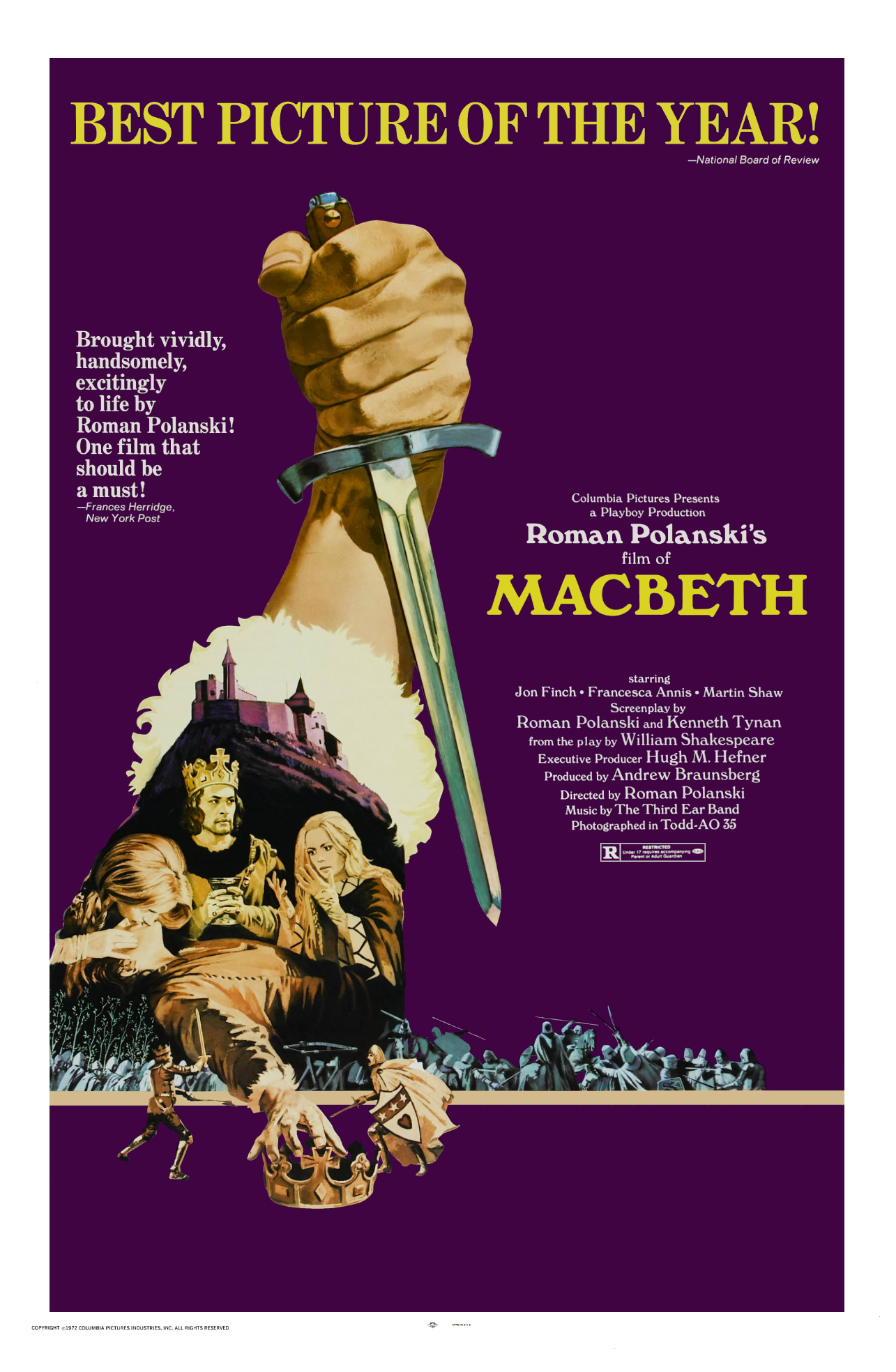 Macbeth(1971)
 Not So Much a Programme, More a Way of Life(1964)
 Tempo(1961)
 Lenny Bruce: Without Tears(1972)
 AFI Life Achievement Award(1973)as Self - Audience Member
 Arena(1975)as Self, Self - Interviewer
 Omnibus(1967)as Self
 Success Story(1974)as Self
 2nd House(1973)as Self
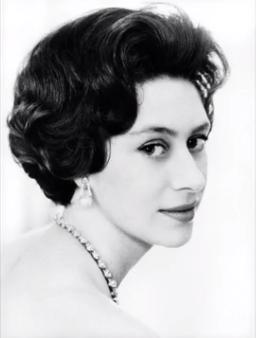 Princess Margaret: The Rebel Royal(2018)as Self
 Girls and Boys: Sex and British Pop(2005)as Self
 Timeshift(2002)as Self