Yevgeni Yevtushenko (Evgeni Evtushenko) is a Russian poet, writer,
actor, and film director who is best known for his poem 'Babi Yar' and
the eponymous symphony made in collaboration with composer
Dmitri Shostakovich.
He was born Yevgeni Aleksandrovich Gangnus (later he took his mother's
last name, Evtushenko) on July 18, 1933 in Zima, Irkutsk region,
Siberia, Russia. His maternal grandfather, named Ermolai Naumovich
Evtushenko, was a Red Army officer during the Russian Revolution and
the Civil War. His father, named Aleksandr Rudolfovich Gangnus, was a
geologist, as well as his mother, named Zinaida Ermolaevna Evtushenko;
who later became a singer. He accompanied his father on geological
expeditions to Kazakhstan in 1948, and to Altai, Siberia, in 1950.
Young Yevtushenko wrote his first verses and humorous songs
"chastushki" while living in Zima, Siberia. After the Second World War
Yevtushenko moved to Moscow. From 1951-1954 he studied at the Gorky
Institute of Literature in Moscow, from which he dropped out. In 1952
he joined the Union of Soviet Writers after publication of his first
collection of poetry. His early poem 'So mnoyu chto-to proiskhodit'
(Someting is happening to me) became a very popular song, in
performance by actor-songwriter
Aleksandr Dolsky. In 1955 Yevtushenko wrote a
poem about the Soviet borders being an obstacle in his life. He was
banned from traveling, but gained wide popularity with the Russian
public. His first important publication was the poem 'Stantsiya Zima'
(Zima Junction 1956).
His success grew after the 1956 speech by
Nikita Khrushchev denouncing
Joseph Stalin.
Khrushchev declared a cultural "Thaw" that allowed some freedom of
expression. Yevtushenko's powerful poem "Nasledniki Stalina" (The Heirs
of Stalin) claimed that the atmosphere of Stalinism was still
dominating the country. It was initially published in the communist
paper 'Pravda' in 1961, and was immediately censored. Yevtushenko
became one of the most famous poets of the 50's and 60's in the Soviet
Union. He was part of the 60's generation, which included such writers
as
Vasiliy Aksyonov,
Andrei Voznesensky,
Bella Akhmadulina,
Robert Rozhdestvenskiy; as well as actors
Andrey Mironov,
Aleksandr Zbruev,
Natalya Fateeva, and many others. As a close associate of writer
Aleksandr Solzhenitsyn and as a member of the 60's generation, Yevtushenko made an
important contribution to promote progress, openness, human rights and
freedoms in the former Soviet Union.
He was banned from traveling outside the Soviet Union in the 1960s. At
that time the KGB Chairman
Vladimir Semichastny and the next KGB Chairman
Yuri Andropov
reported to the Communist Politburo on the "Anti-Soviet activity of
poet Yevtushenko", but he was not intimidated. In 1965, he joined
Anna Akhmatova,
Korney Ivanovich Chukovskiy,
Jean-Paul Sartre and others and co-signed the letter of
protest against the unfair trial of
Joseph Brodsky. He also co-signed the
letter against the Soviet invasion of Czechoslovakia in 1968. His poems
covered a wide range of political issues from "Stalinism" to anti-war
and patriotic themes, often causing a controversial perception of his
eclectic style and views. Several of his lyrical poems were set to
music and became popular Russian songs. In 1989 Yevtushenko was elected
as a representative in the Soviet Parliament, where he was a member of
the pro-democratic group supporting
Mikhail Gorbachev.
Yevtushenko is known across the world for his powerful poem "Babi Yar",
written in 1961. He protested the Soviet Union's refusal to recognize
Babi Yar, a ravine in Kiev; as a site where Nazis committed a mass
murder of 33,000 Jews in September of 1941. Yevtushenko and
Dmitri Shostakovich
worked together on the famous Symphony No. 13 titled "Babi Yar", a
vocal setting of poems by Yevtushenko. It was first performed in Moscow
on December 18, 1962 under the baton of
Kirill Kondrashin. Yevtushenko and
Shostakovich toured many countries with the performances of "Babi Yar",
and made several recordings of the Symphony No. 13. The site of Babi
Yar is now an important WWII memorial, that was built with the support
of many contributors. This was partly the result of creative
cooperation and outstanding artistry of both Yevtushenko and
Shostakovich.
He was filmed as himself during the 50s as a performing poet-actor.
Yevtushenko contributed lyrics to several Soviet films and contributed
to the script of Soy Cuba (1964), a Soviet propaganda film. His acting
career began with the leading role in 'Vzlyot (1979) by director
Savva Kulish, where he played the leading role as Russian rocket scientist
Tsiolkovsky. Yevtyshenko also made two films as a writer/director. His
film 'Detsky Sad' (aka.. Kindergarten, 1983) and his last film,
'Pokhorony Stalina' (aka.. Stalin's Funeral, 1990) are dealing with
life in the Soviet Union. He received numerous Russian and
International awards for his literary works.
Yevgeni Yevtushenko has been teaching Russian literature at the
University of Oklahoma in Tulsa for several years. He also teaches
seminars on literature and gives public performances of his poetry.
Yevtushenko tours Russia annually with public performances during the
summer months. He lives and works in Tulsa, Oklahoma, and has a home in
Moscow, Russia.

 Pokhorony Stalina(1990)
 Kindergarten(1984)
 The Sunday Programme(1994)
 Vremya idyot s nami v stroyu...(1984)
 Vzlyot(1979)as Tsiolkovsky
 Pisnia zavzhdy z namy(1975)
 Forgotten Tune for the Flute(1987)
 Golubyye goroda(1985)
 Po semeynym obstoyatelstvam(1978)
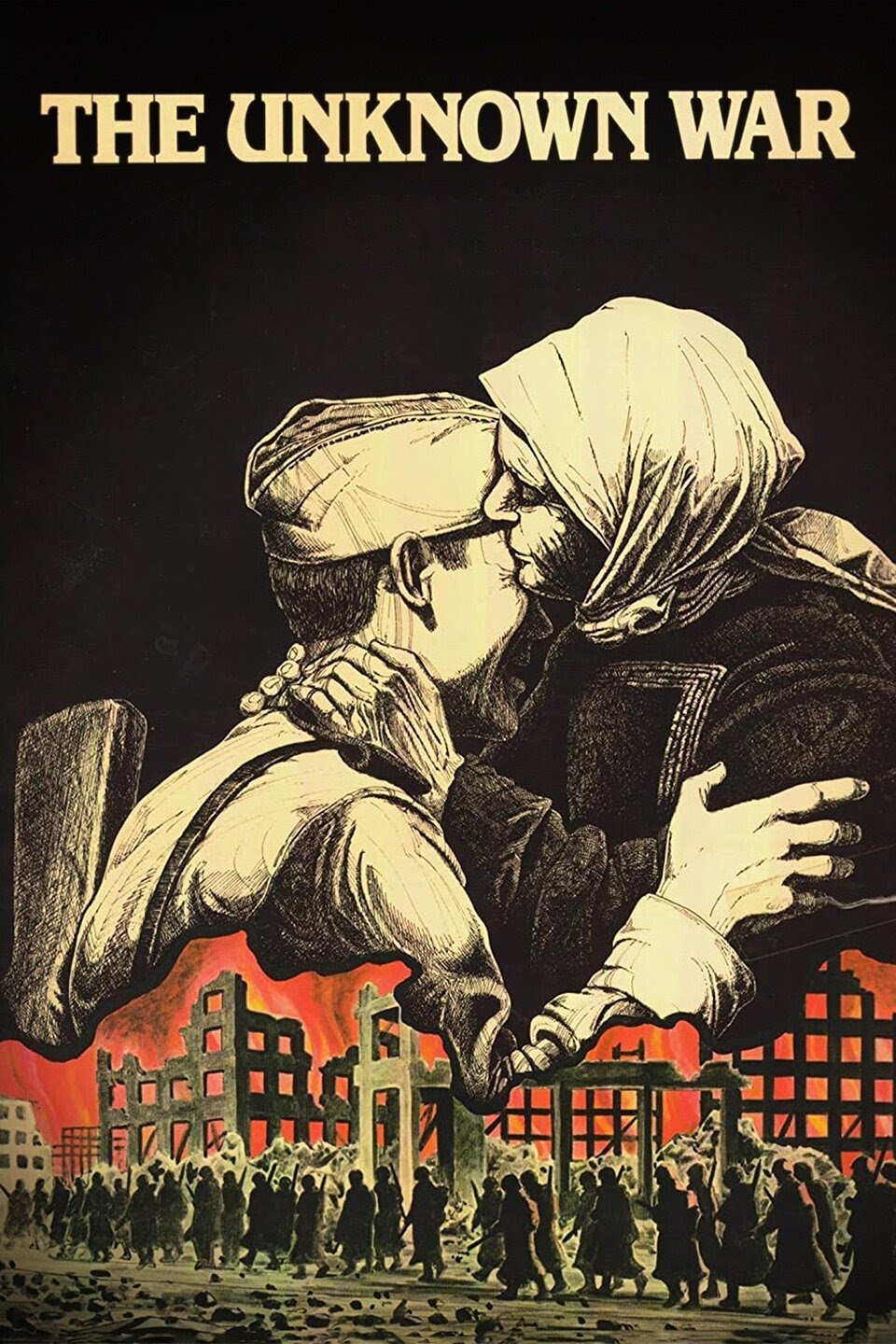 The Unknown War(1978)
 Mimino(1977)
 V nebe 'Nochnye vedmy'(1981)
 Elämäni Biisi(2019)
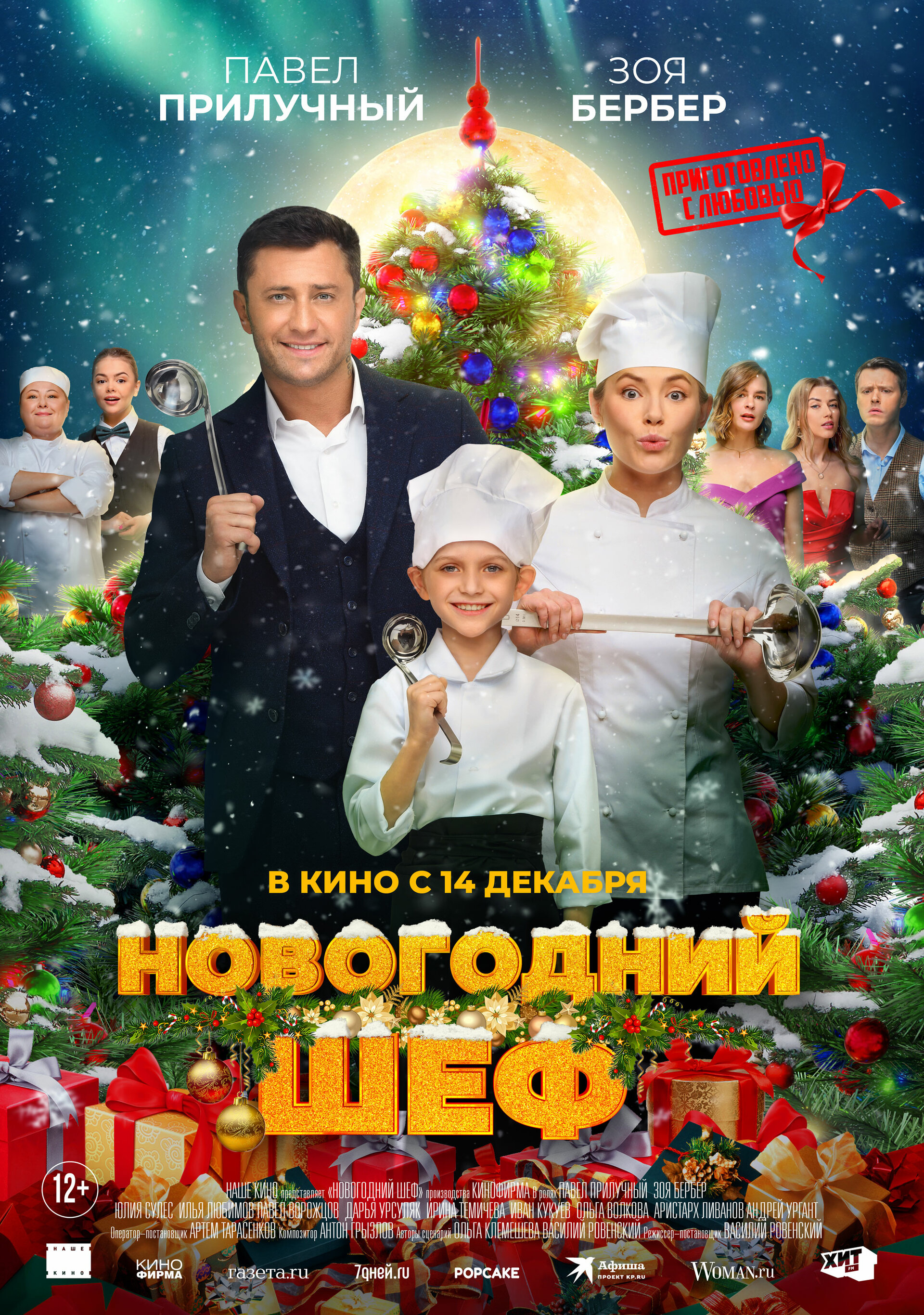 Novogodniy shef(2023)
 Taynyy Santa(2022)
 Polyarnyy(2019)
 Pesnya goda 2009(2010)
 White Studio(2012)as Self - Guest
 Finding Babel(2015)as Self
 Upryamets Khutsiev(2015)as Self
 Soy Cuba, O Mamute Siberiano(2004)as Self
 Vospominaniye(1987)as Self