Gankutsuou: The Count of Monte Cristo
Albert, bored with Parisian life, travels and meets the enigmatic Count of Monte Cristo. Unaware that his father wronged the Count, Albert invites him to Parisian high society, paving the way for the Count's intricate revenge.
- Rated
- TV-14
- Runtime
- 24m
- Released
- 2004
- Country
- Japan
Details
Release year: 2004
Storyline
Albert, bored with Parisian life, travels and meets the enigmatic Count of Monte Cristo. Unaware that his father wronged the Count, Albert invites him to Parisian high society, paving the way for the Count's intricate revenge.
Top credits
 Jun Fukuyama — Albert de Morcerf
 Jôji Nakata — Count of Monte Cristo
 Johnny Yong Bosch — Albert, Albert de Morcerf
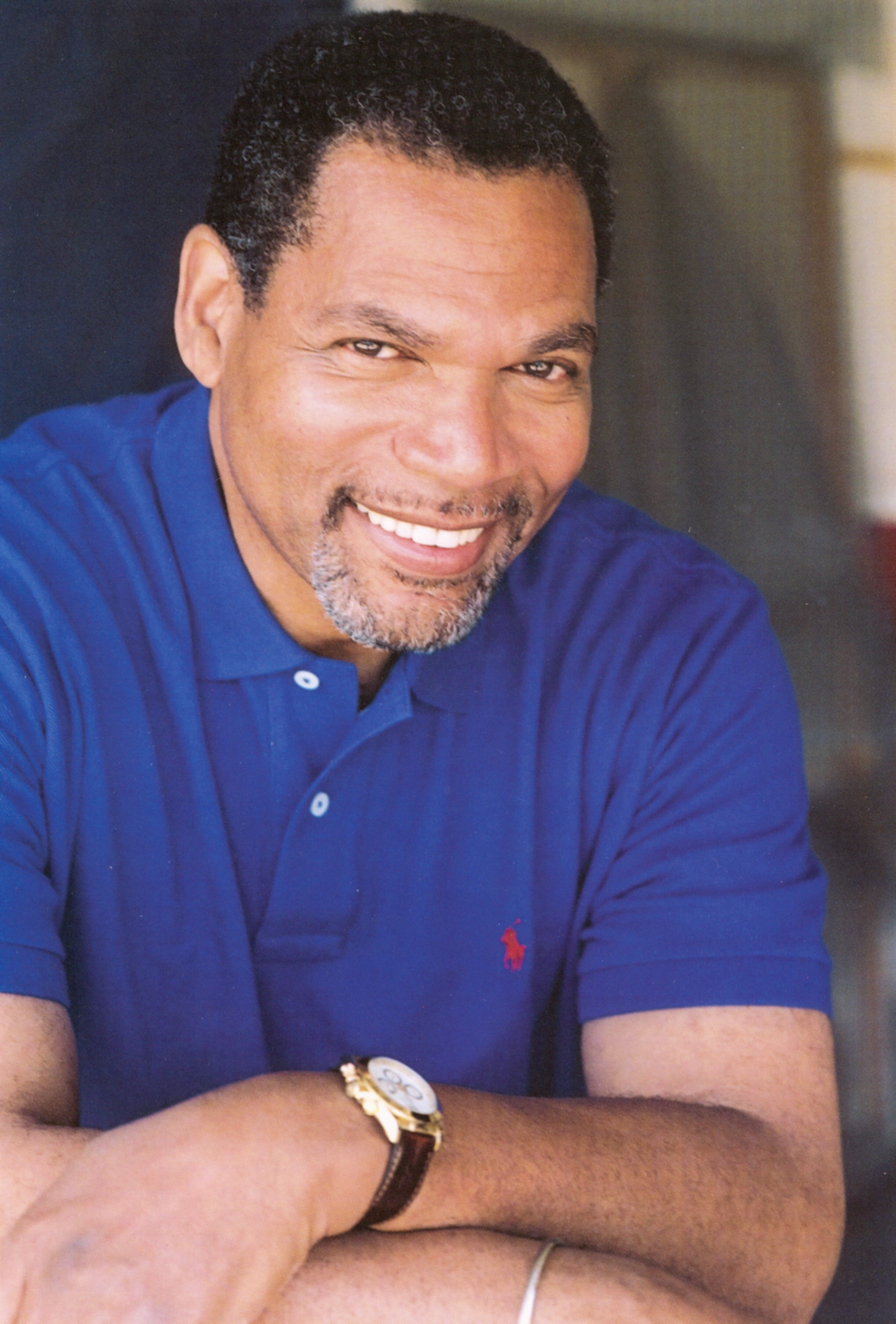 Beau Billingslea — Bertuccio
Did you know
• The series title "Gankutsu-o" ("The King of the Cavern") is the Japanese title of Alexandre Dumas's "The Count of Monte Cristo" when it first was published in that country in 1905. Though later publications used a more accurate title ("Monte Cristo-haku" - "The Count of Monte Cristo), "Gankutsu-o" is still the most popular one in Japan.
• Each character has a unique wardrobe that reflects their personality: * The Count has a fairly standard villainous design (black/dark suits), but toned down with elements of nobility and irony. * Albert was given multiple outfits to reflect his changing attitudes and roles in the story. * Franz's design was less flamboyant than other characters, reflecting his grounded personality and sense of responsibility towards Albert. * Haydée's design made her appear doll-like, with one of her dresses being modelled on stained glass and reflective of her slave past. * Mercedes was designed with ice and crystal as a motif, to show her coldness and fragile spirit. * Fernand was intended to be the polar opposite of the count by being clothed in white/bright colours * Danglars's golden clothes symbolized his obsession with wealth. * Villefort's clothing symbolized his power of control. * Eugénie Danglars had the most costume changes of the entire cast, with her styling drawing from 1960s fashion to illustrate the disconnect with her family and her wish to rebel.
• Mahiro Maeda described working on this show as a nightmare due to the complex and time-consuming work on the art.
Episodes
24 episodes – 1 seasons
User reviews
A great animated adaptation of the classic book
An interesting take on the story, although not necessarily true to the themes of the original work
A great adaptation that was ruined by a moralism in the end
Technical specs
- Aspect ratio
- 1.78 : 1
- Color
- Color